


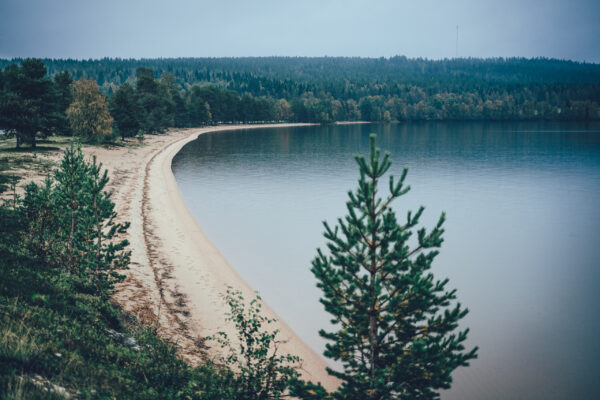
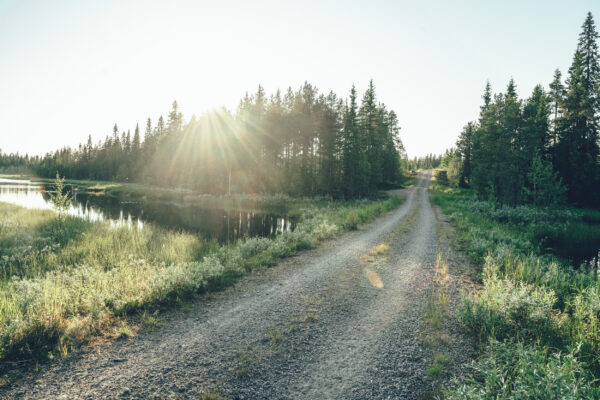
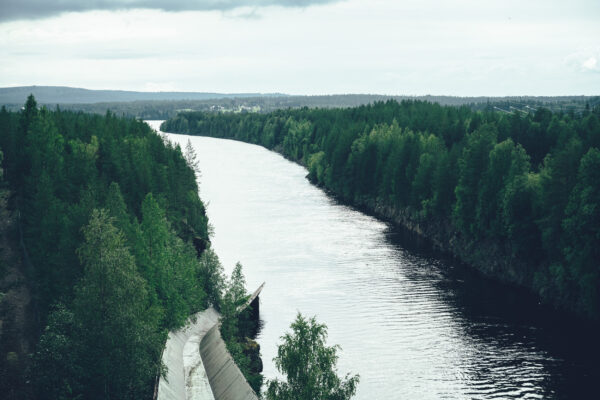
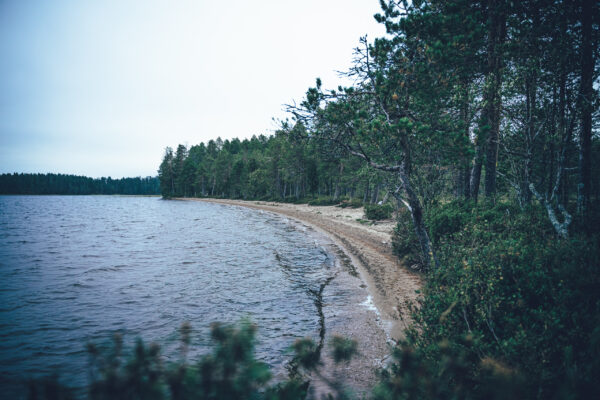
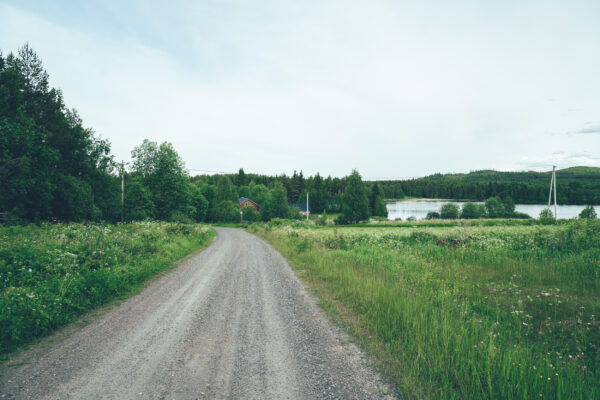
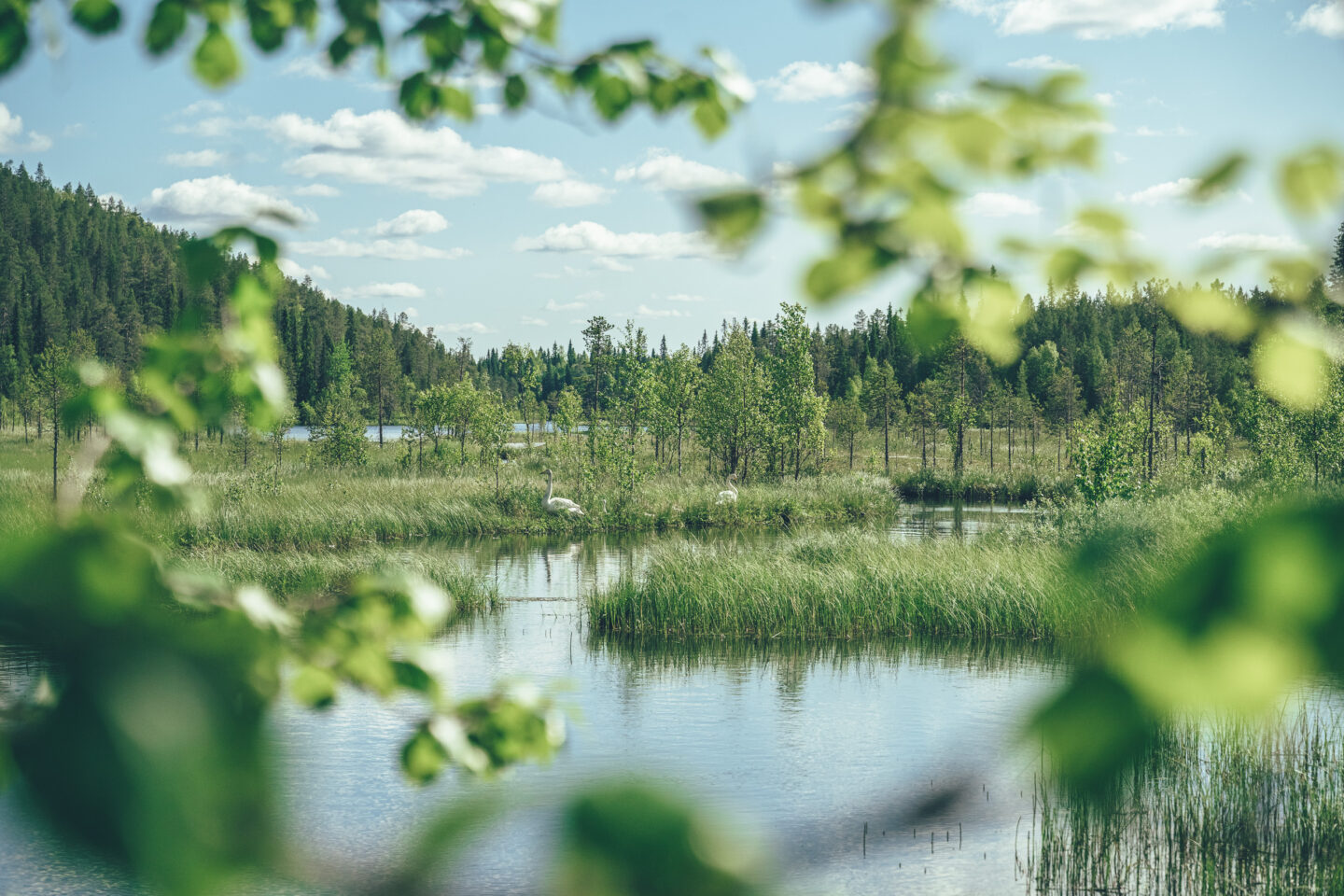
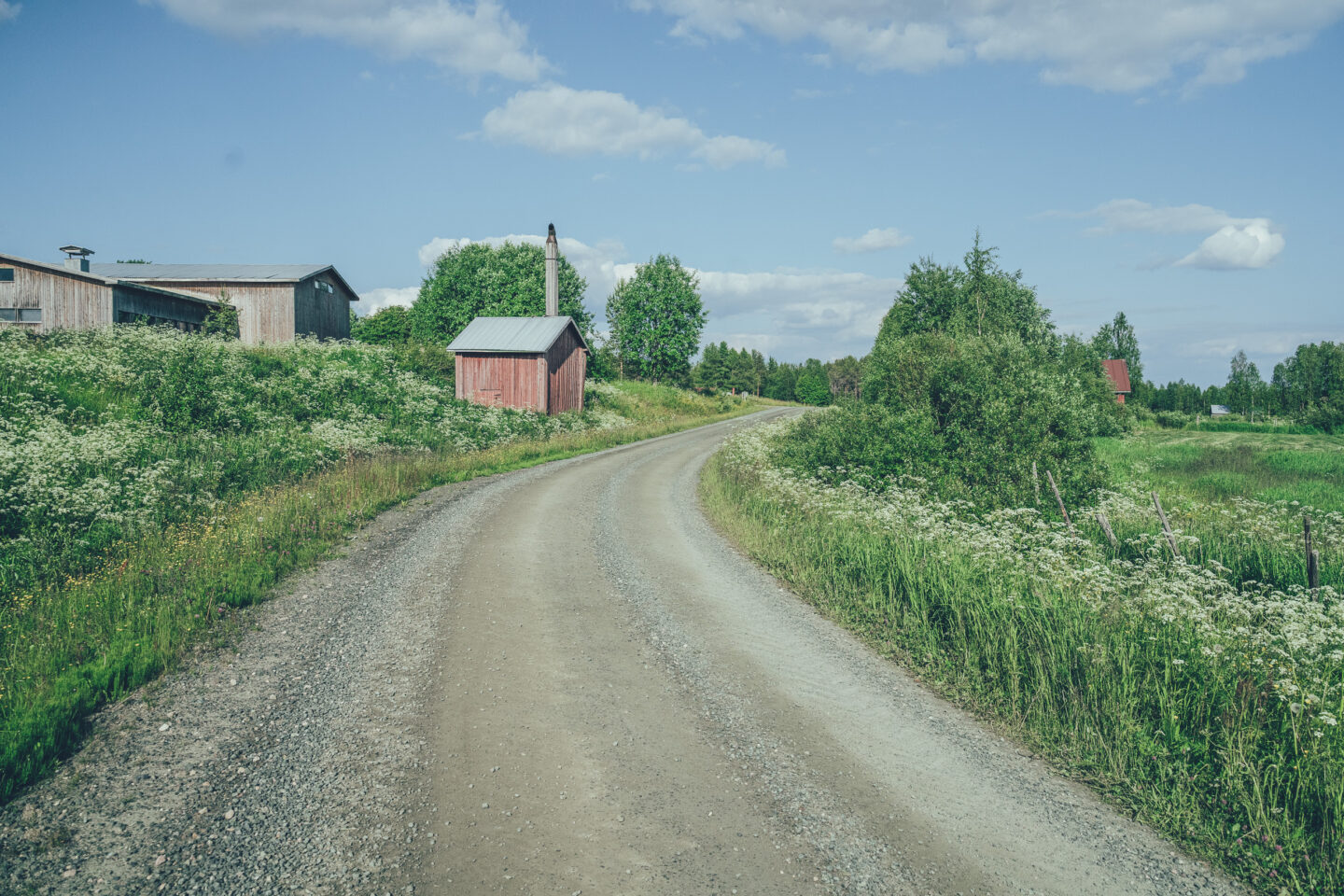
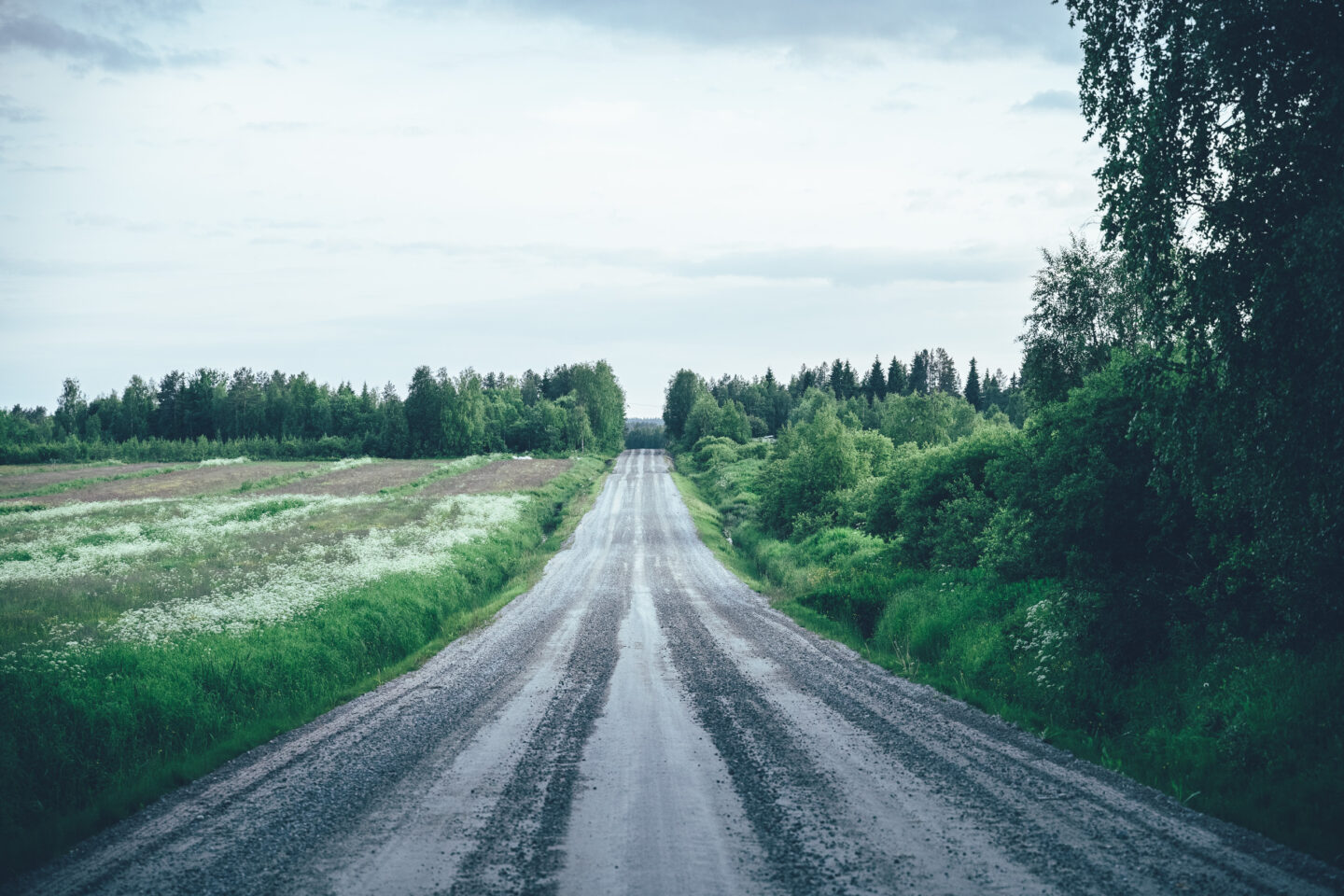
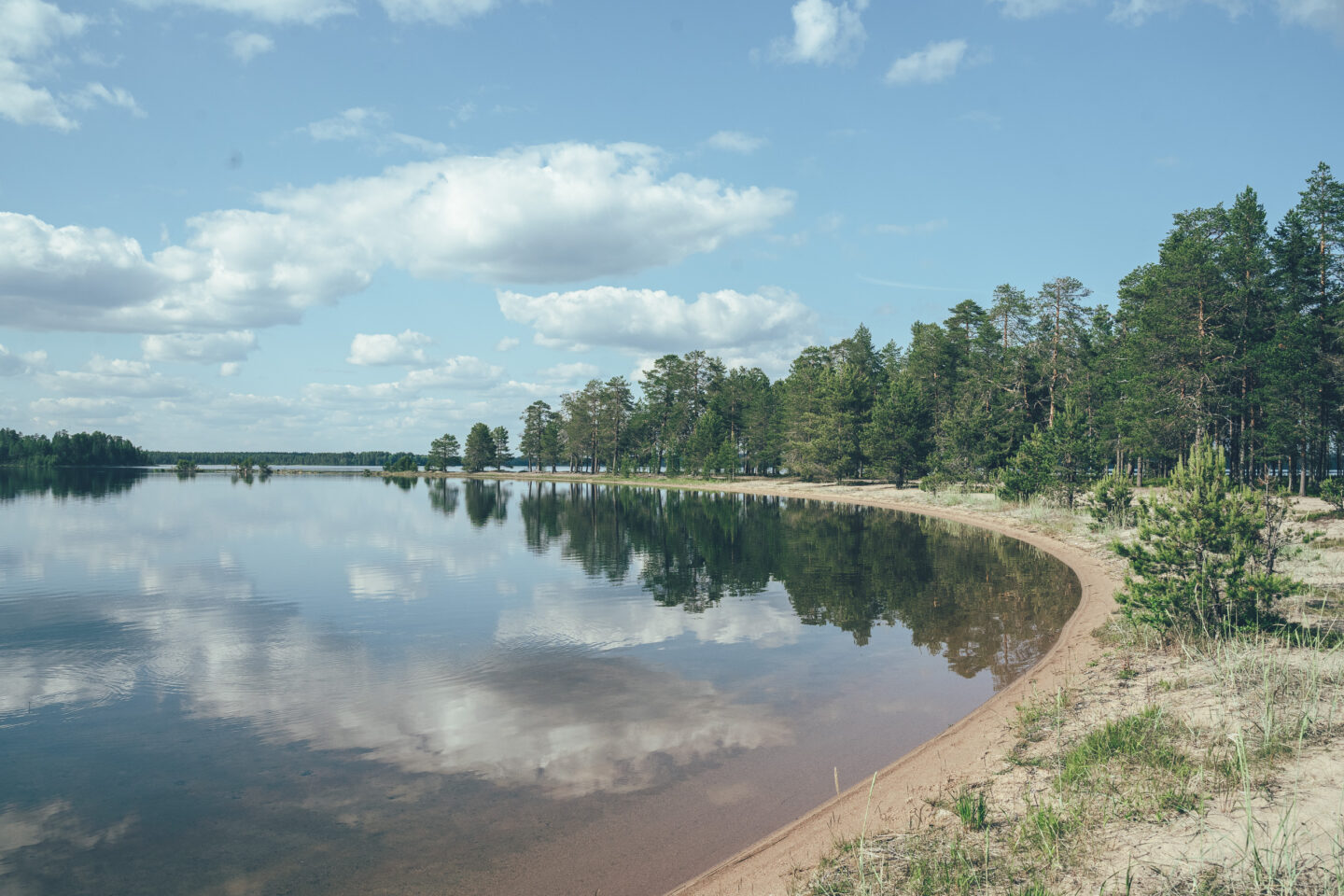
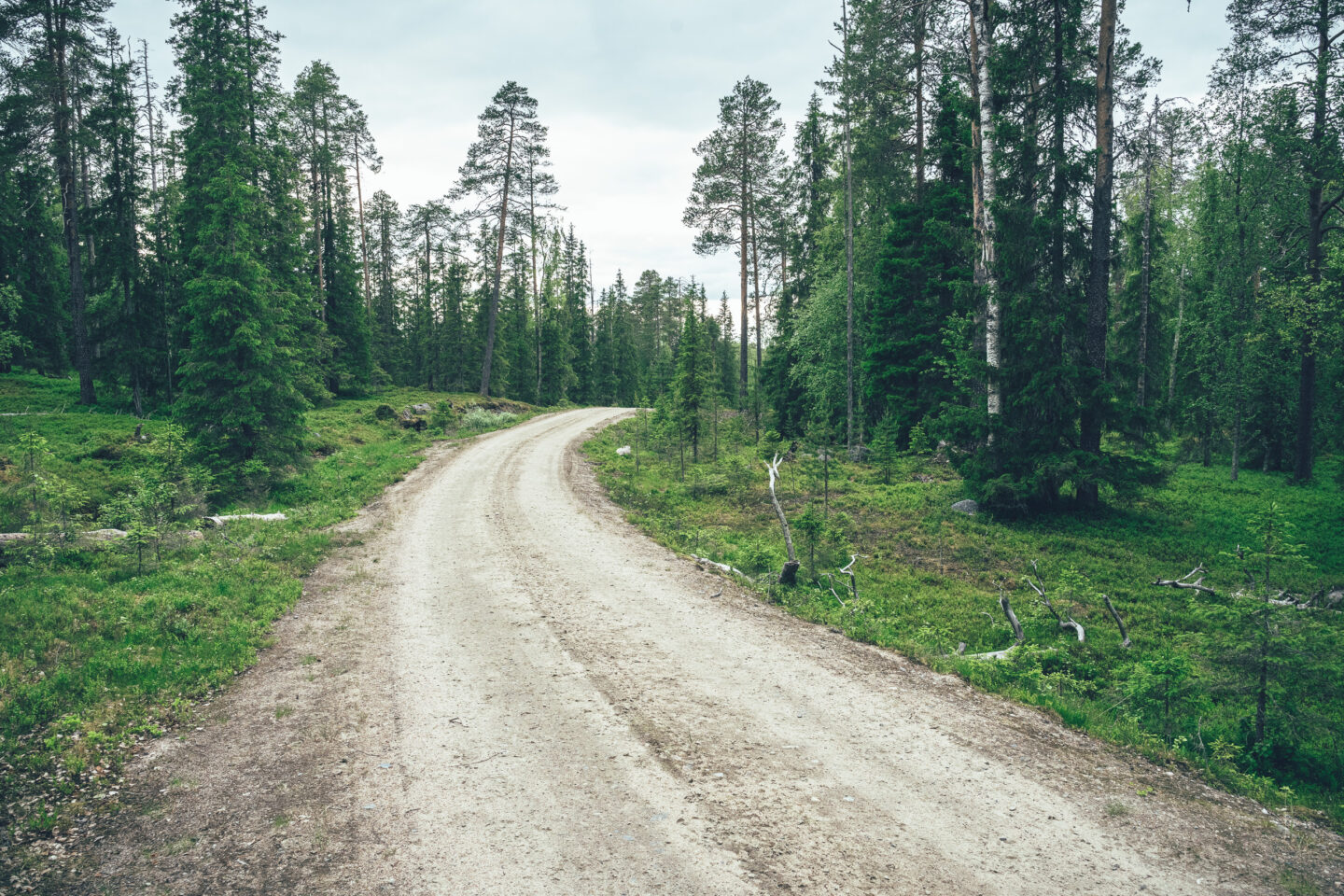
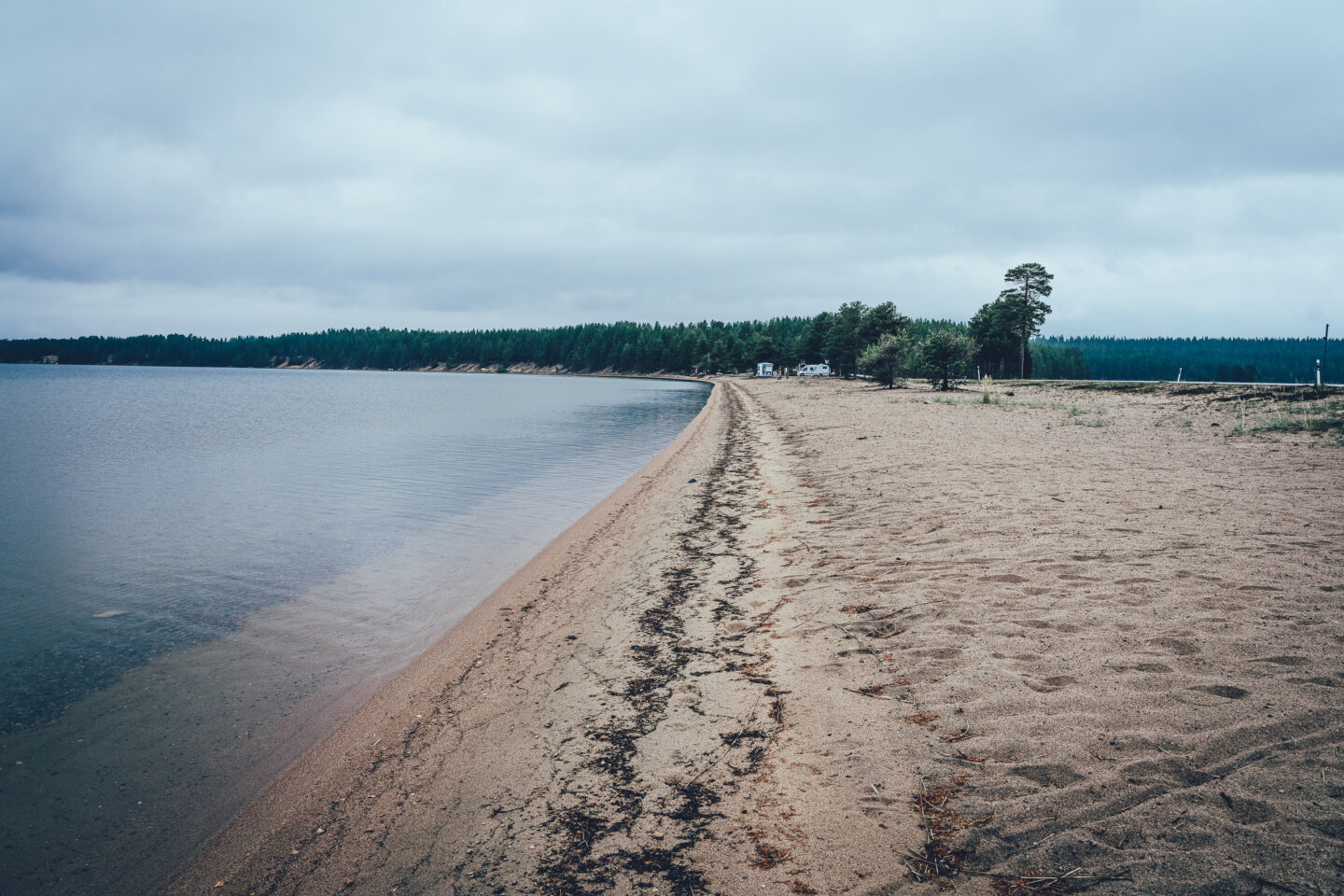
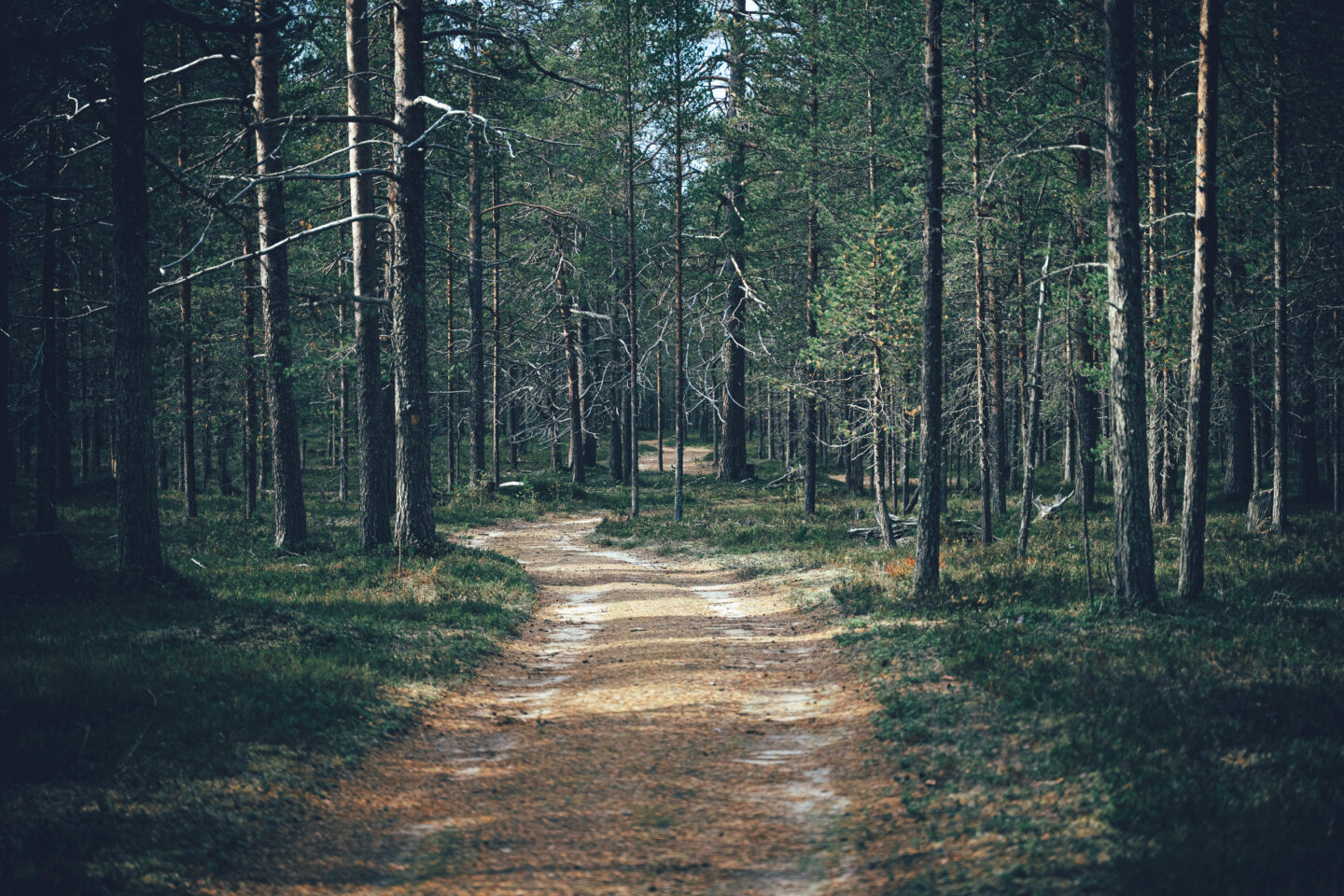
Posio offers an extensive gravel road network of over 600 kilometres, consisting of nine gravel routes ranging from 30 to 100 kilometres and two long-distance bikepacking routes of approximately 300 kilometres and 3–5 riding days. The route network combines the silence of Lapland, a diverse range of gravel roads, and the sandy beaches of crystal-clear waters. The routes follow mostly traffic-free forest and village roads, with some sections leading deep into remote and occasionally wilderness-like landscapes. Along the way, the routes pass wilderness huts, shelters, and small, remote services. Highlights along the routes include Riisitunturi National Park, the Korouoma Canyon, the sandy beaches of Lake Livojärvi, and the rapids of Käylänkoski. The network stretches from the Kemijoki River to the gateway of Oulanka National Park, with the village of Posio forming the natural hub of the route system.
POSIO GRAVEL ROUTES
The Posio routes can be experienced either as individual day rides or as part of the two longer bikepacking routes. The main base for the gravel routes is the village of Posio, which offers services and accommodation and from where roughly half of the routes can be ridden directly. Circular routes starting from the village include the Posiojärvi Loop (46 km), Riisitunturi National Park Loop (107 km), Central Posio Loop (80 km), and South Posio Loop (106 km).
Accessing the remaining routes typically requires local transport services unless travelling by car directly to the starting points. The Korouoma Canyon Loop (96 km) and the Kemijoki Loop (79 km) are located in the western part of the network, approximately 30–45 minutes from the village of Posio. The Hirsiniemi Loop (29 km) starts on the shores of Lake Livojärvi, about a 20-minute drive away.
The Kitka Loop is most easily experienced as a 3–5 day bikepacking route, but it can also be ridden in sections with the help of transport services. The route can be divided into suitable daily stages: the Livojärvi Stage (54 km), the Ruka Stage (100 km), and the northern section of the Riisitunturi National Park Loop (72 km). The Livojärvi Stage can also be ridden directly from Posio, increasing the stage length to 83 km.
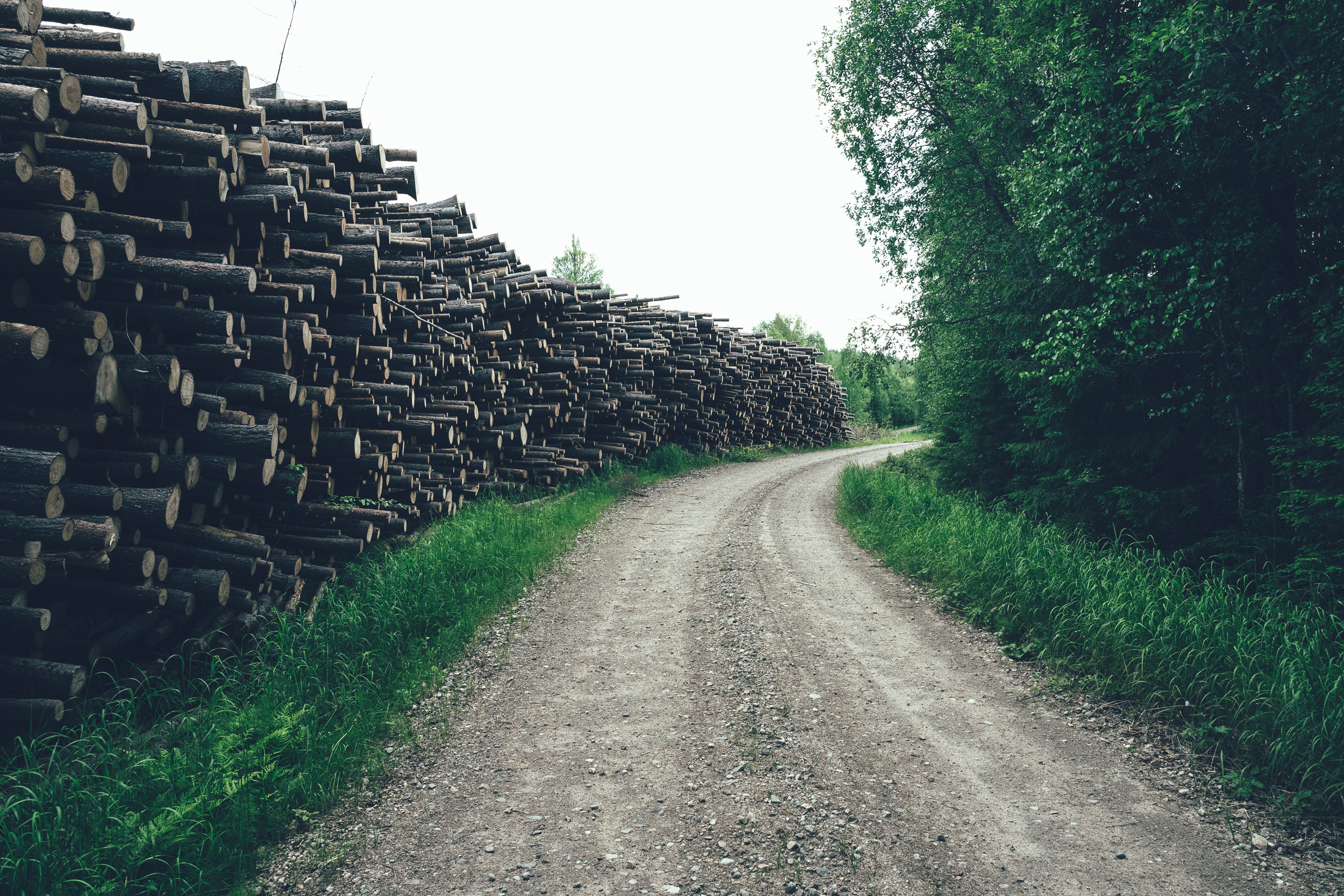
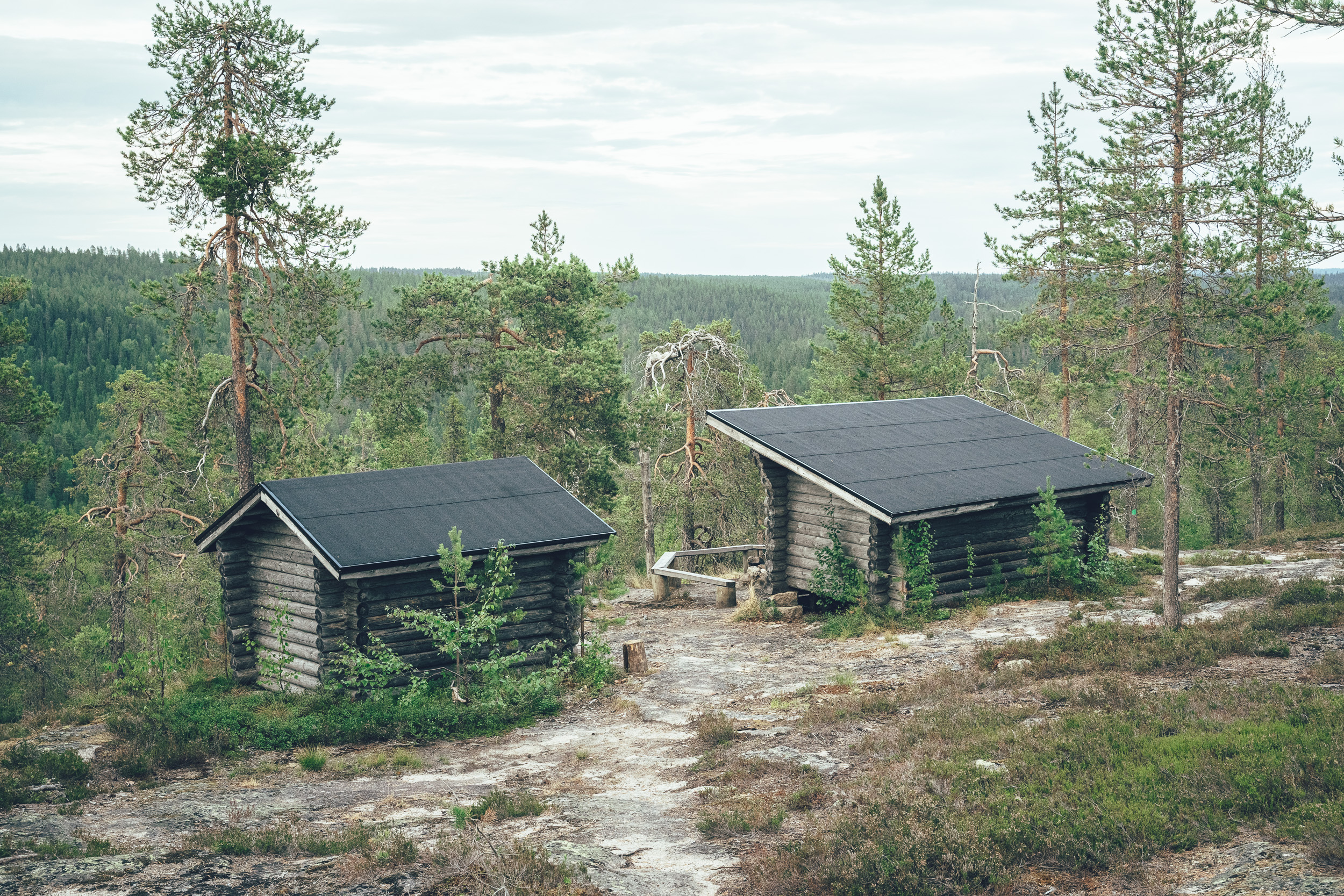
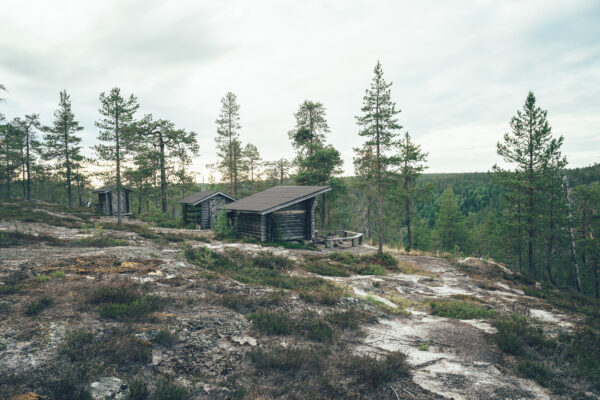
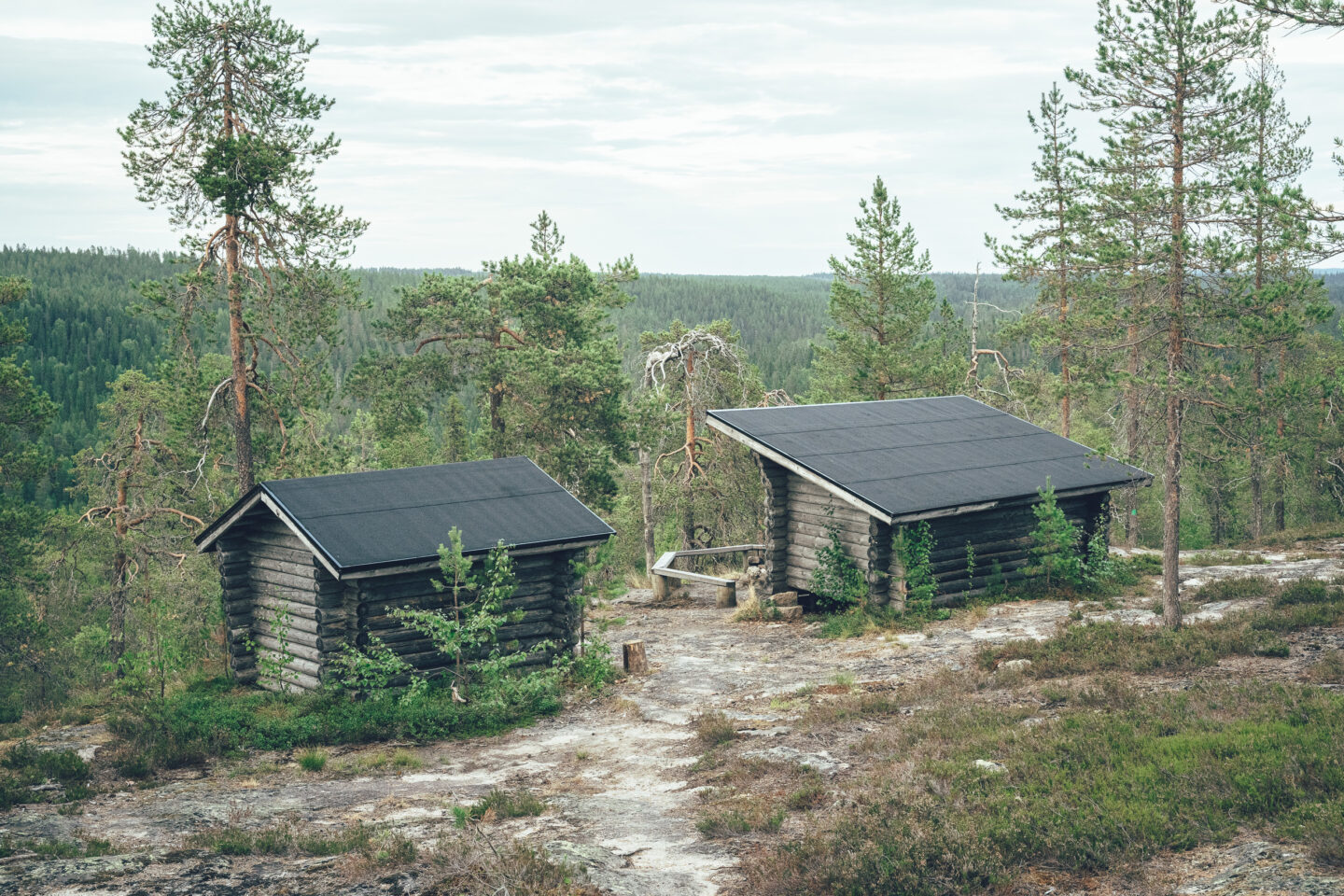
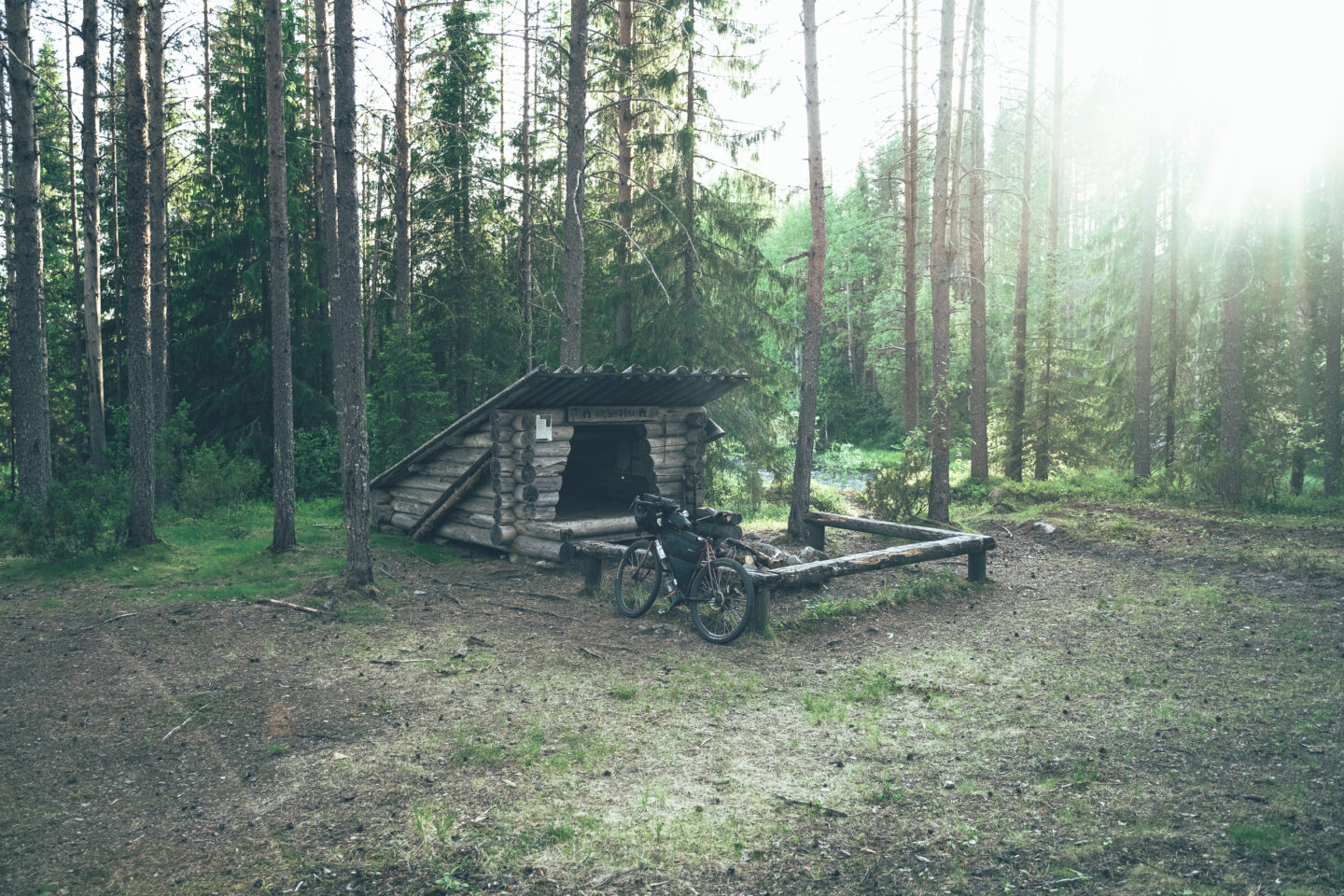
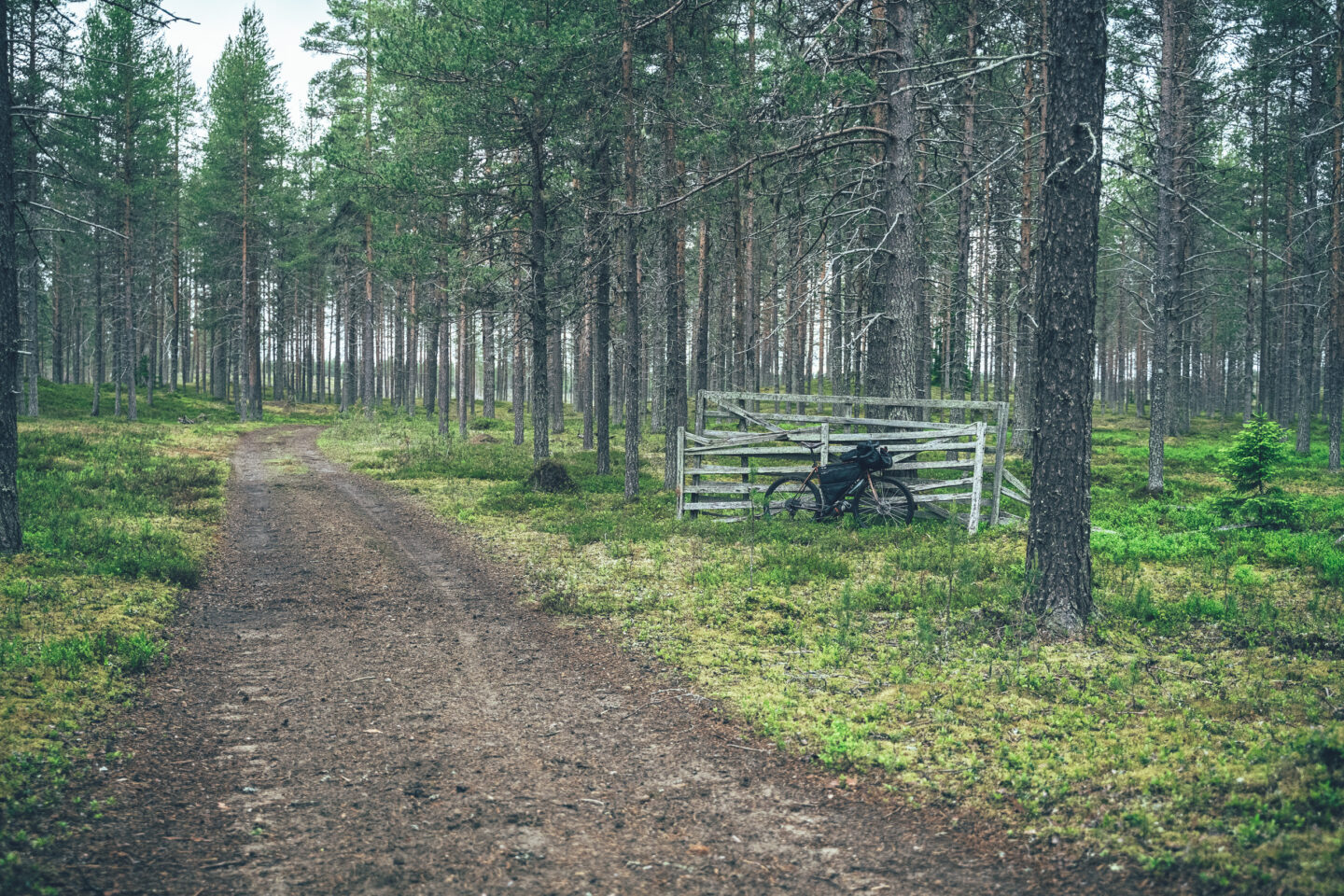
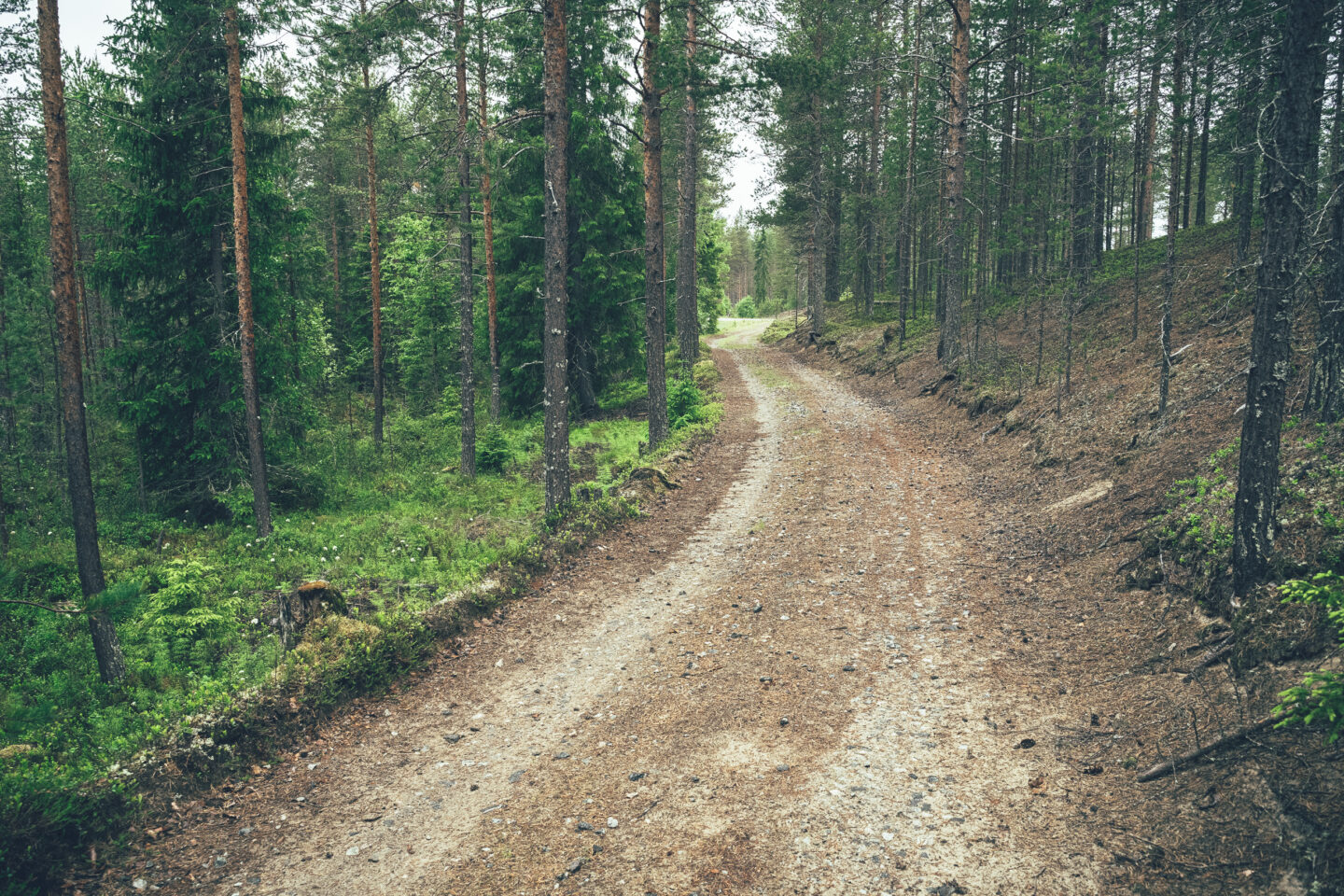
Posio’s unique geography creates outstanding conditions for gravel riding, but it also challenges the rider. Distances between services are long, and cafés are not found around every corner. Riding the more remote routes requires good preparation, and riders should be prepared to carry most of what they need for the day. Wilderness huts and shelters along the routes serve as key rest stops on the most remote sections. Not all roads are smooth gravel: rough forest roads and forgotten roadbeds are common in places. The reward is a unique, silence-driven wilderness route network, themed by what is often called the Arctic Riviera. Adding flavour to the experience are a handful of charming cafés along the way, including the Livojärvi Kota Café, Korouoma Wilderness Café, Korpihilla, and Käylä’s Taikapankki. Services in Ruka along the Kitka Loop provide a welcome contrast to the tranquillity of remote gravel roads.
POSIO BIKEPACKING ROUTES
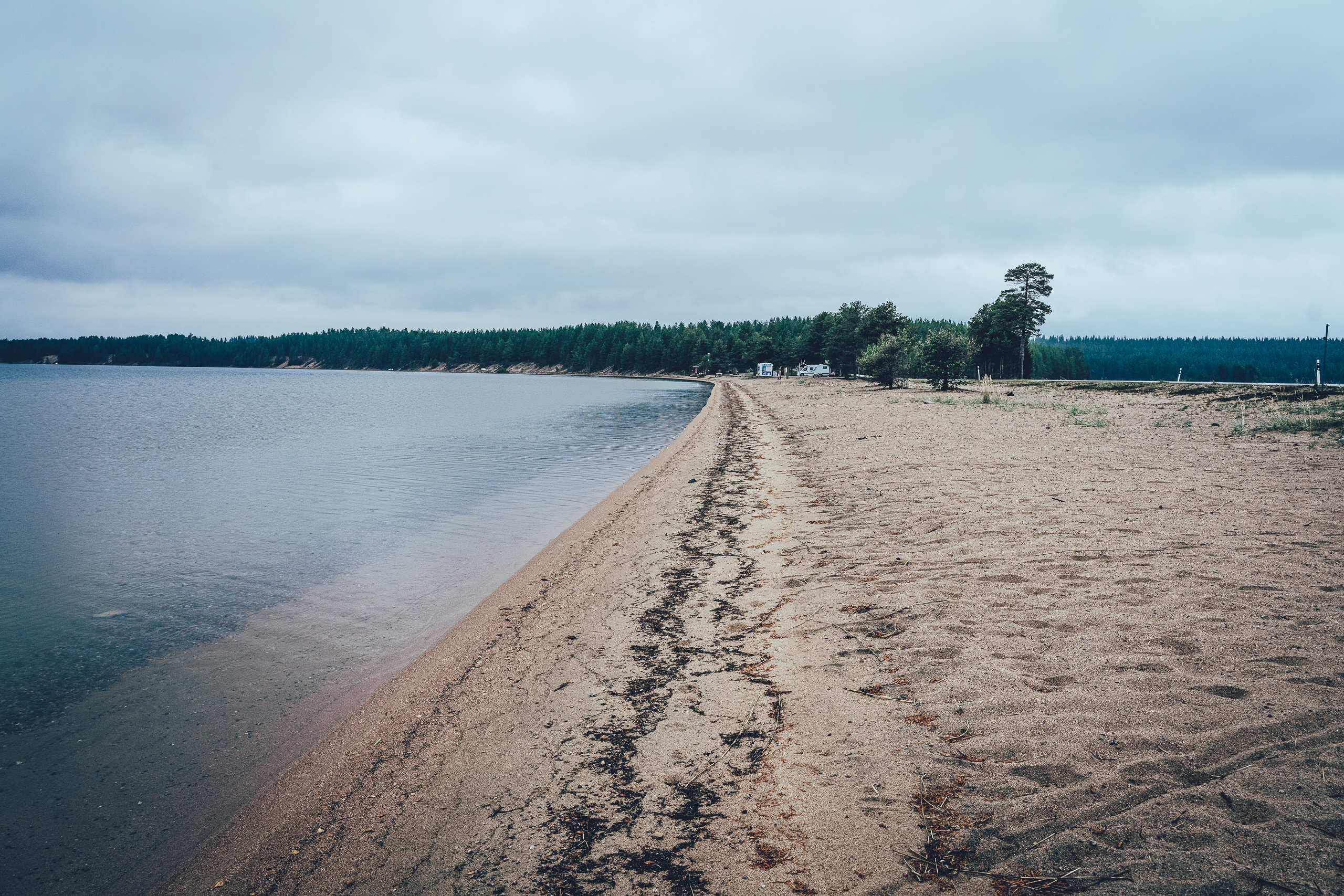
The Posio bikepacking routes combine the best sections of the gravel network into two 3–5 day gravel adventures. The Kitka Loop (312 km) circles Lake Kitkajärvi and includes visits to the sandy beaches of Lake Livojärvi, Riisitunturi National Park, as well as Ruka and the edge of Oulanka National Park. The route combines guesthouses with remote camping spots near wilderness huts and shelters, and food services are available almost daily.
The Posio Loop (293 km) connects the Central Posio, South Posio, Hirsiniemi, and Korouoma routes into the most remote overall experience. Overnight stays take place exclusively by camping and in wilderness huts. With the exception of two cafés, the route is fully self-supported bikepacking.
Posio Gravel & Bikepacking Routes
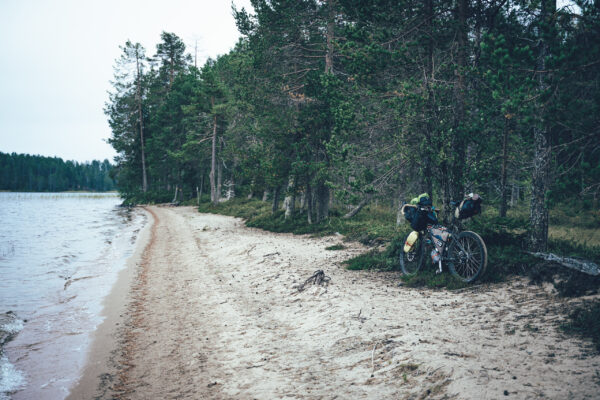
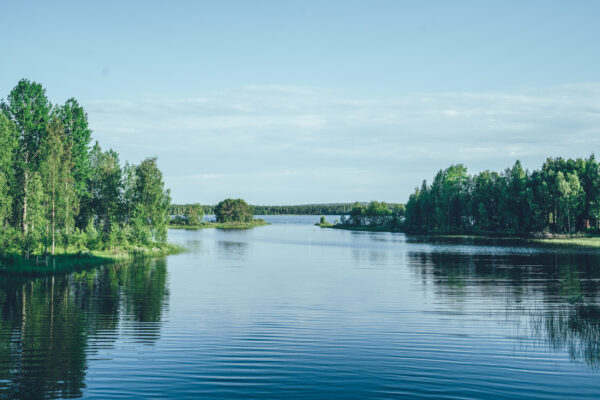
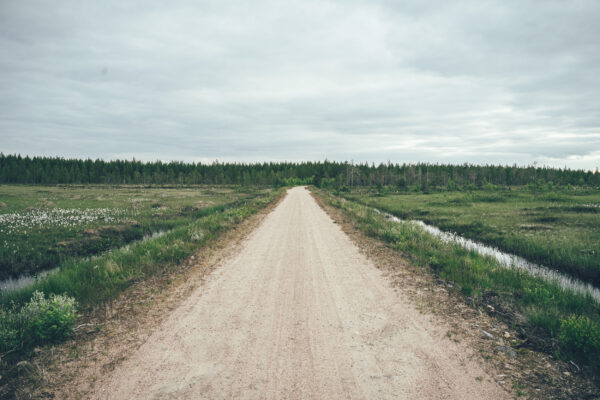
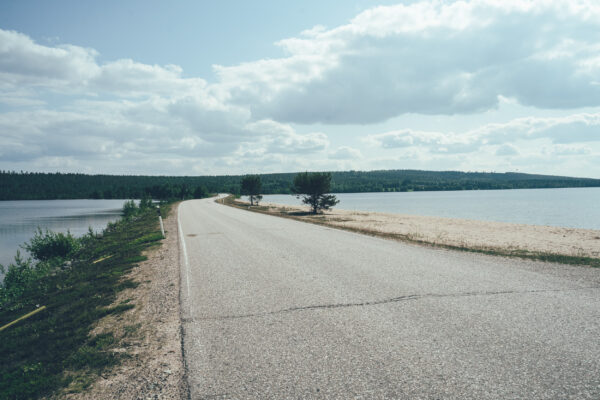

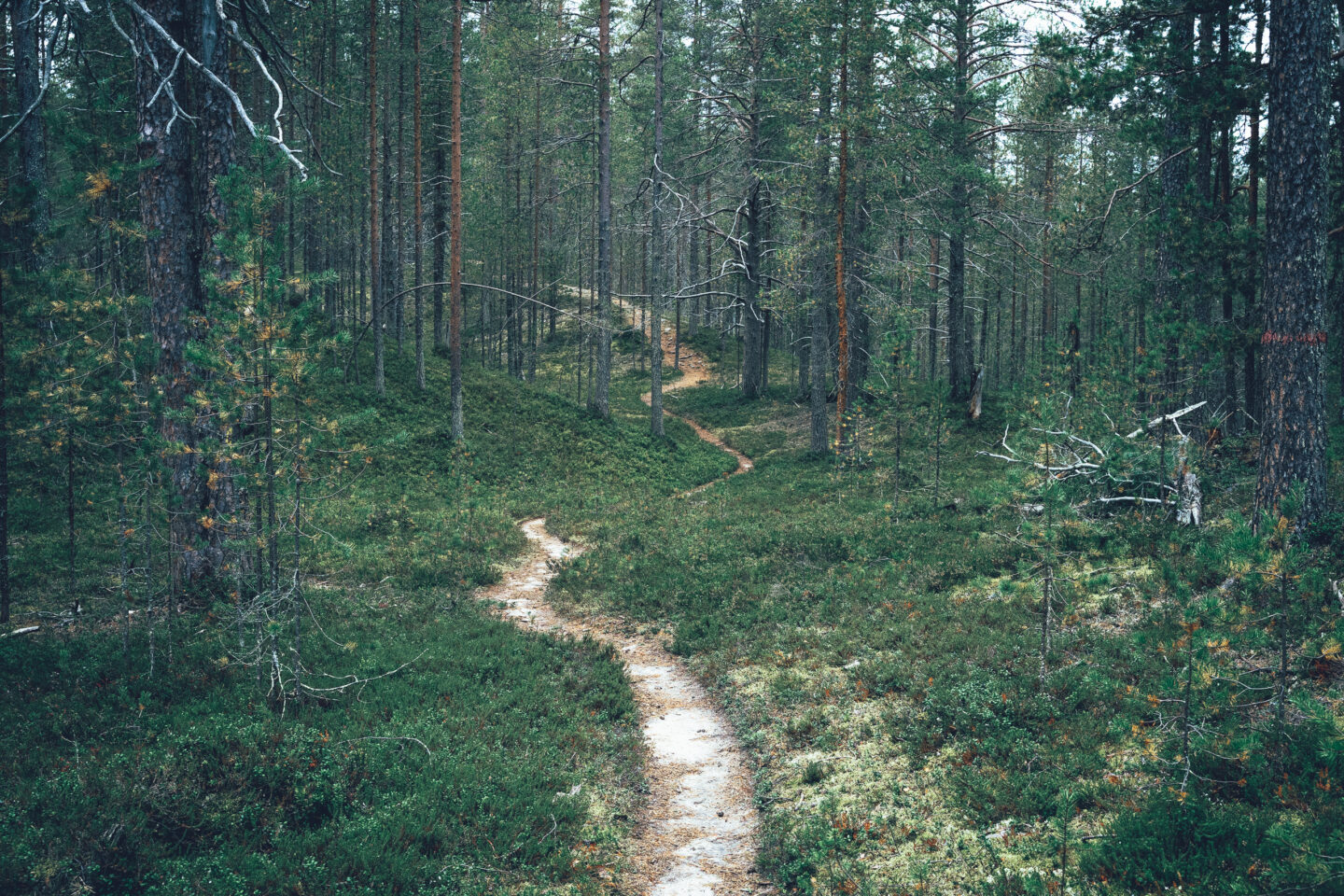
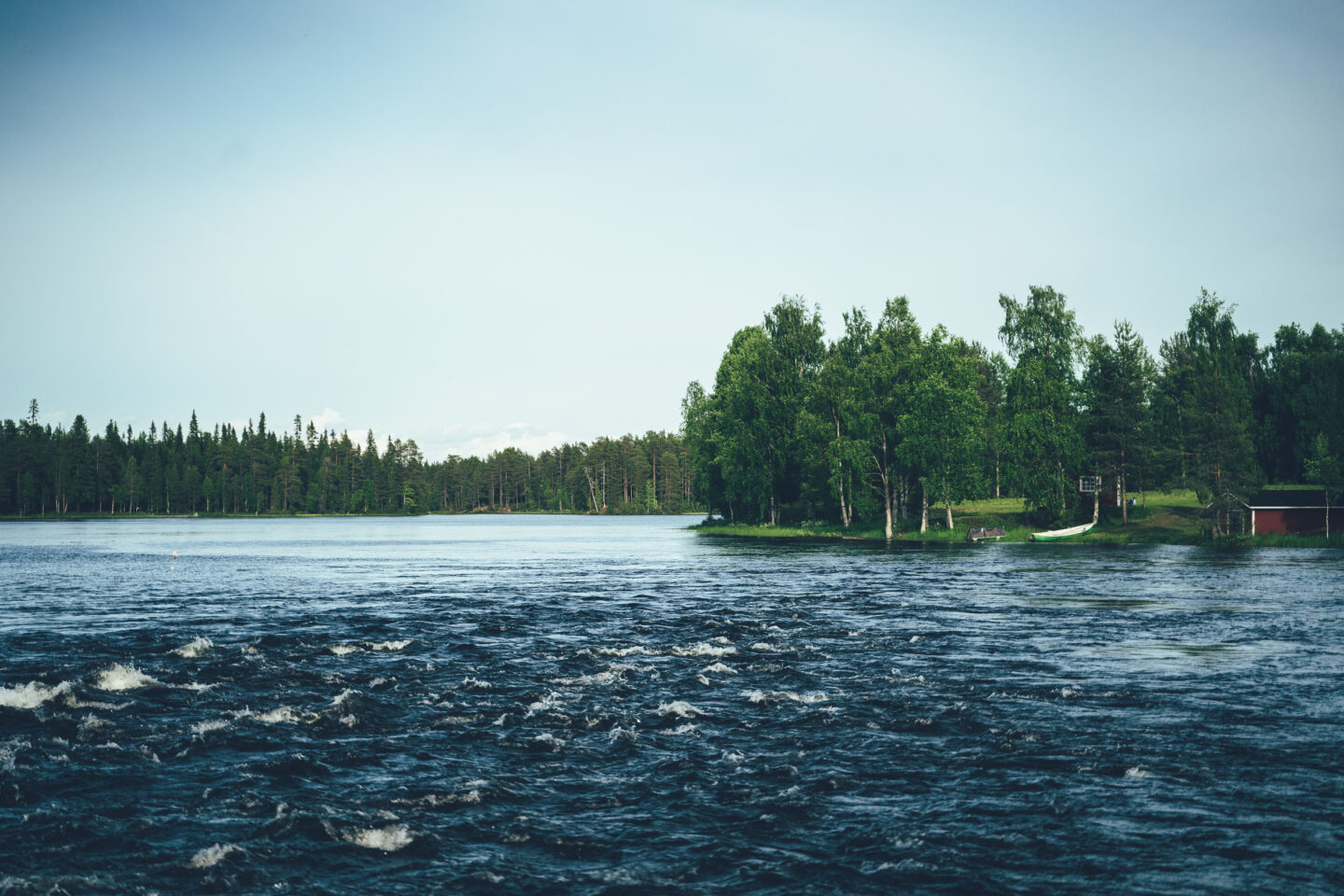
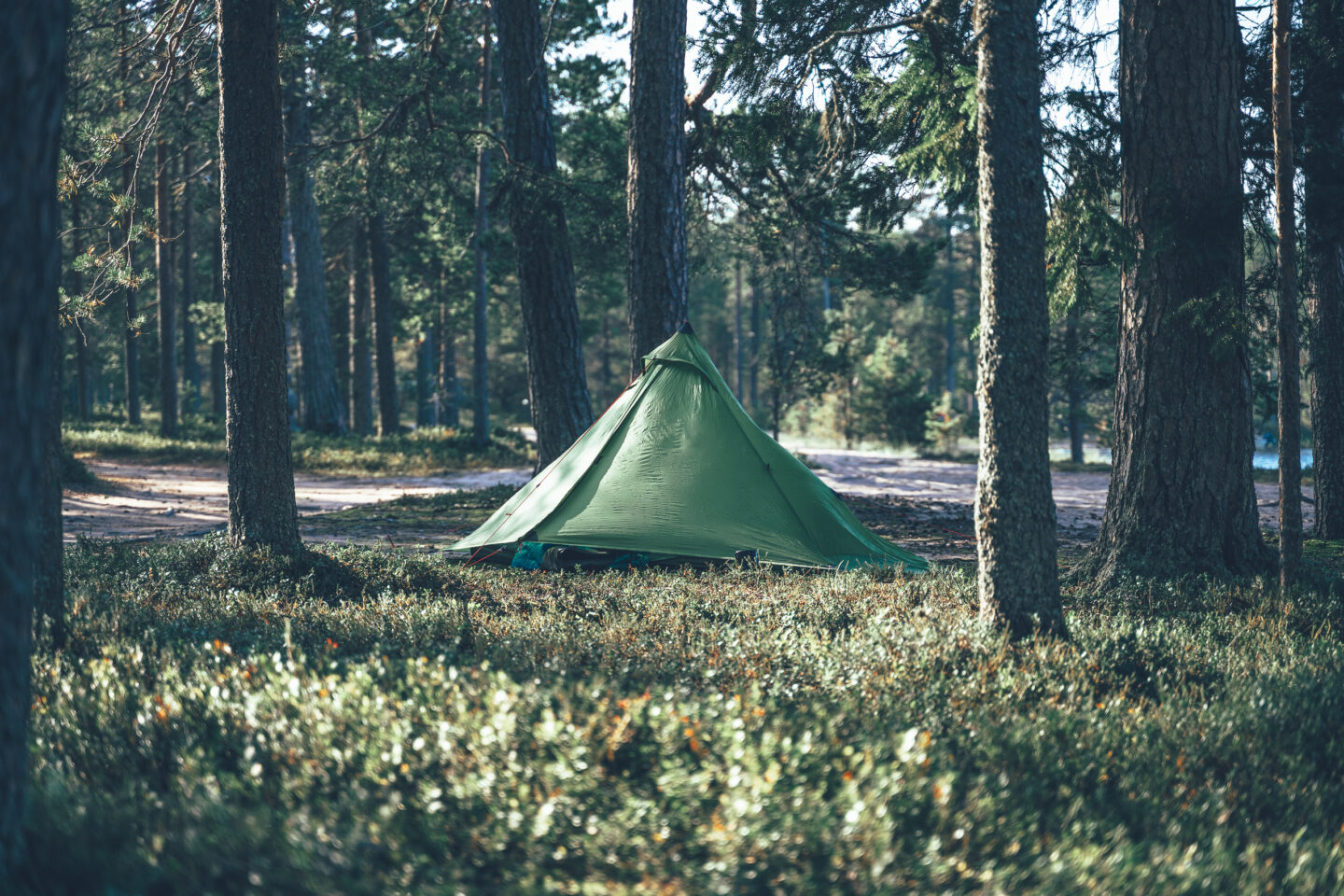
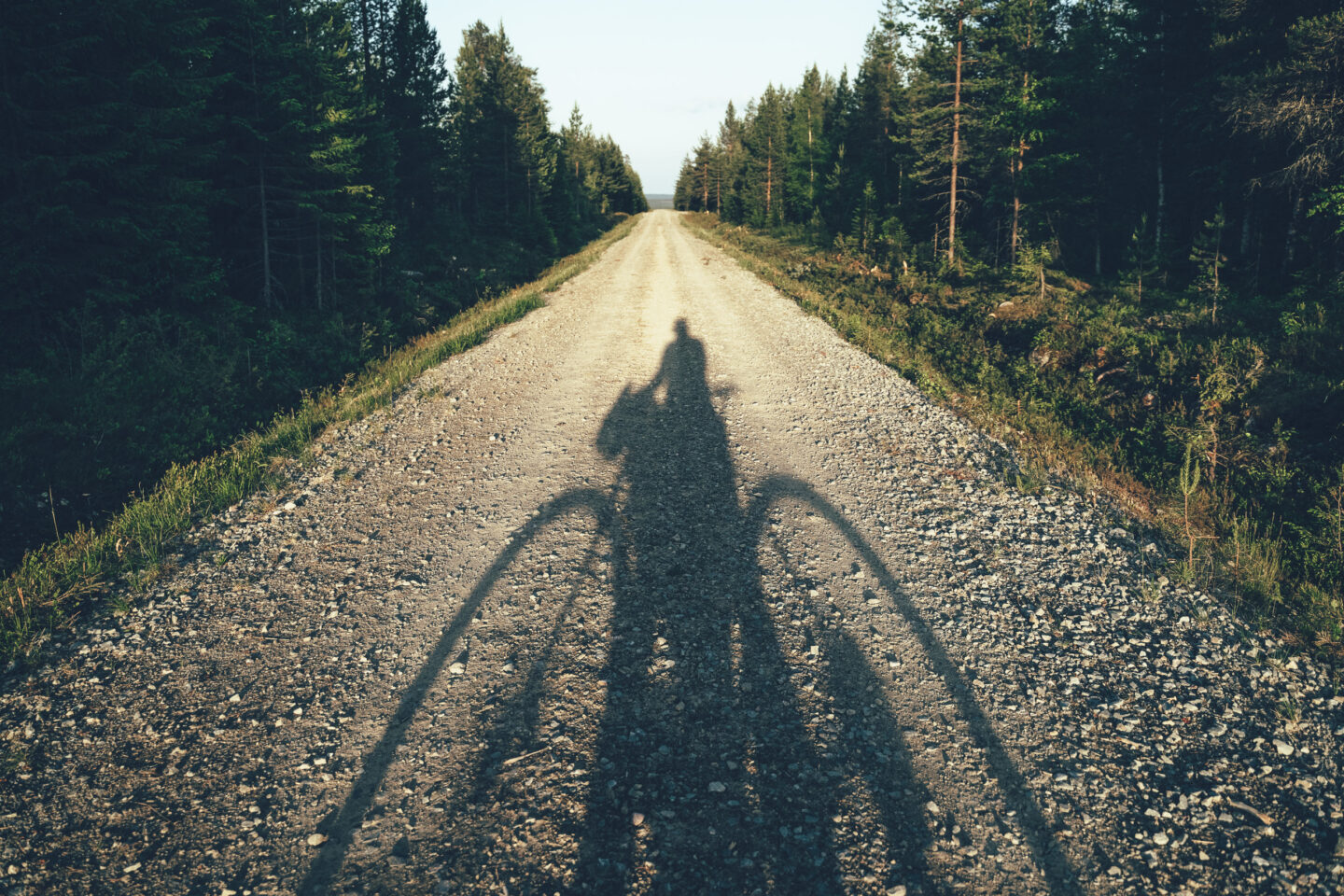
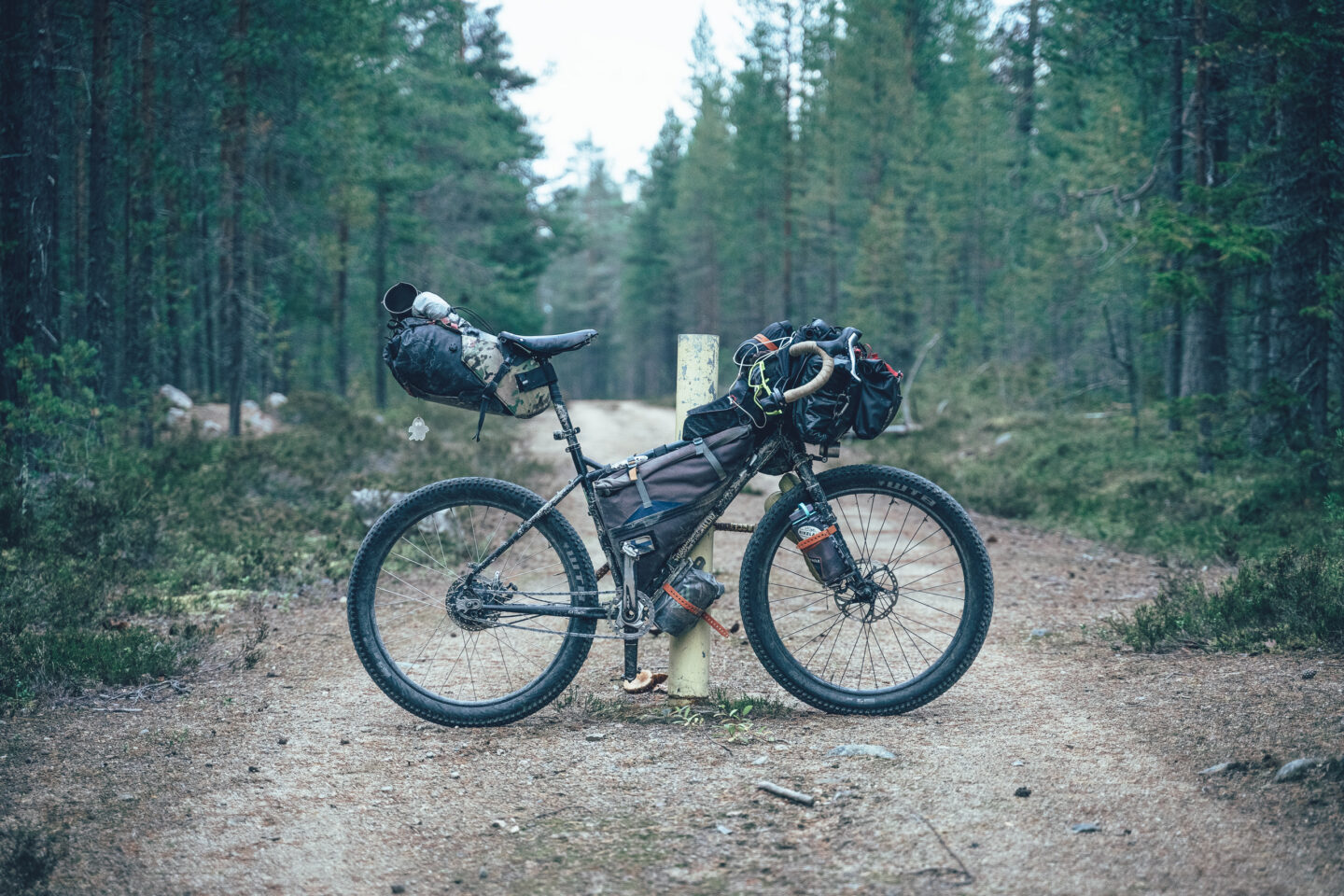

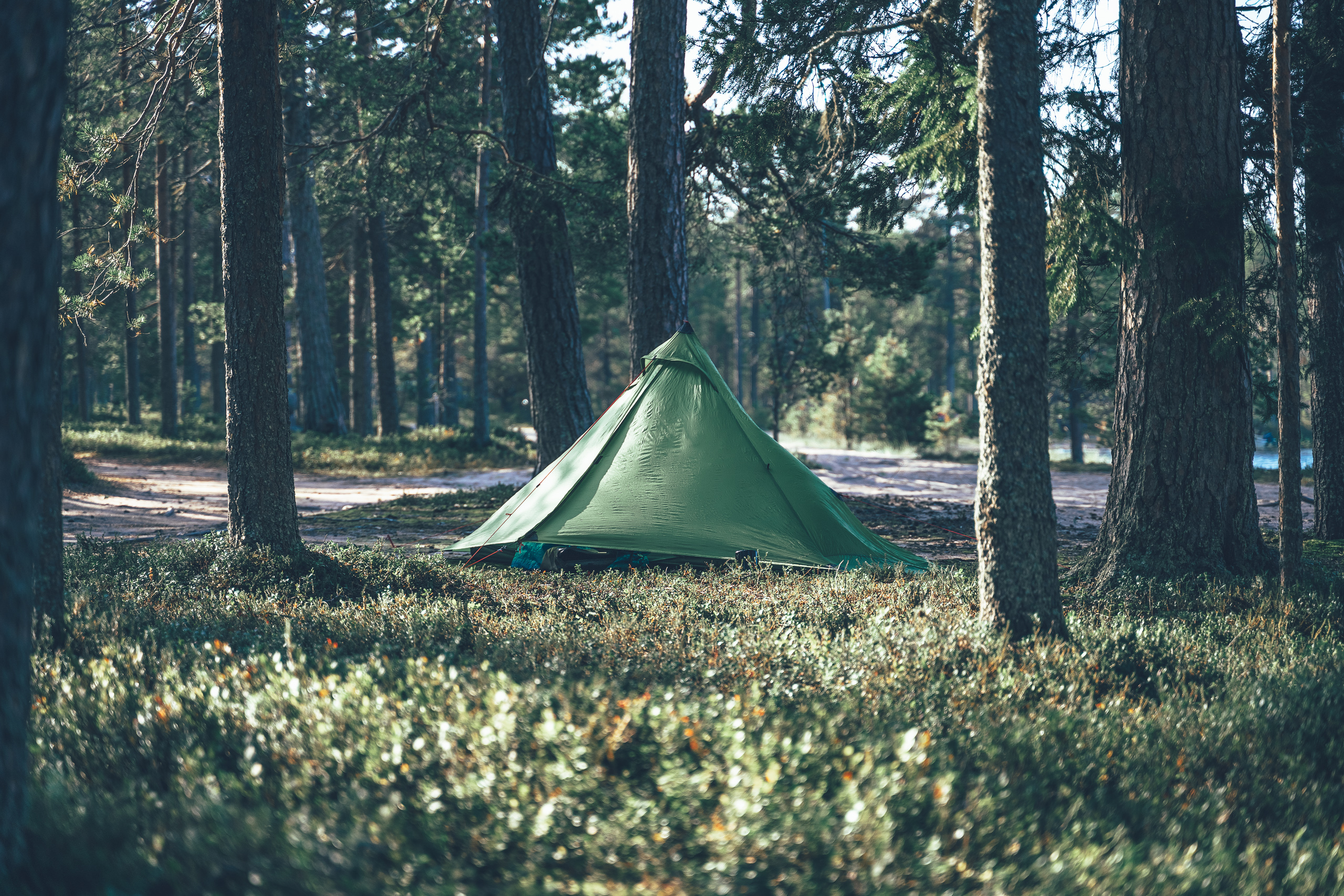
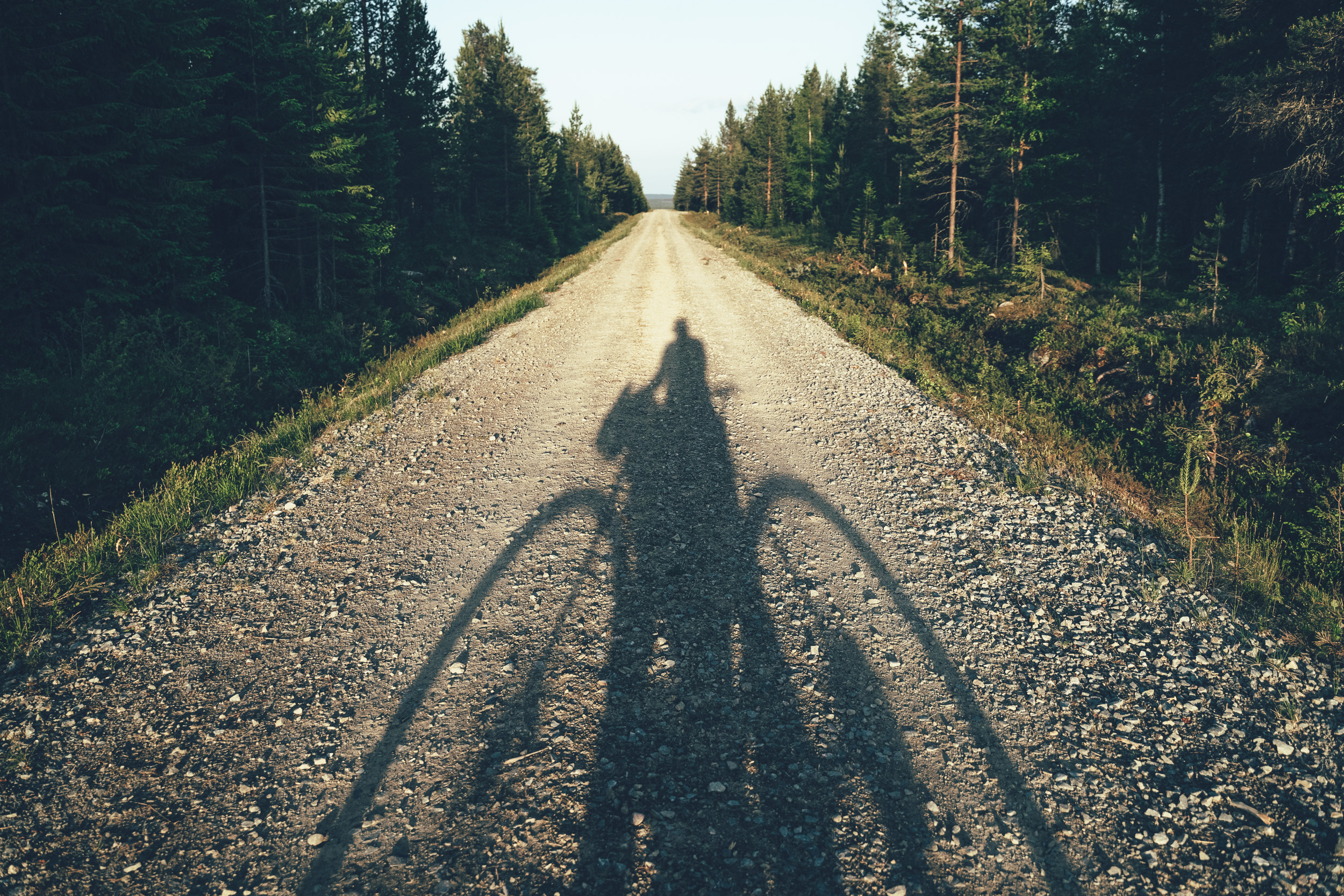
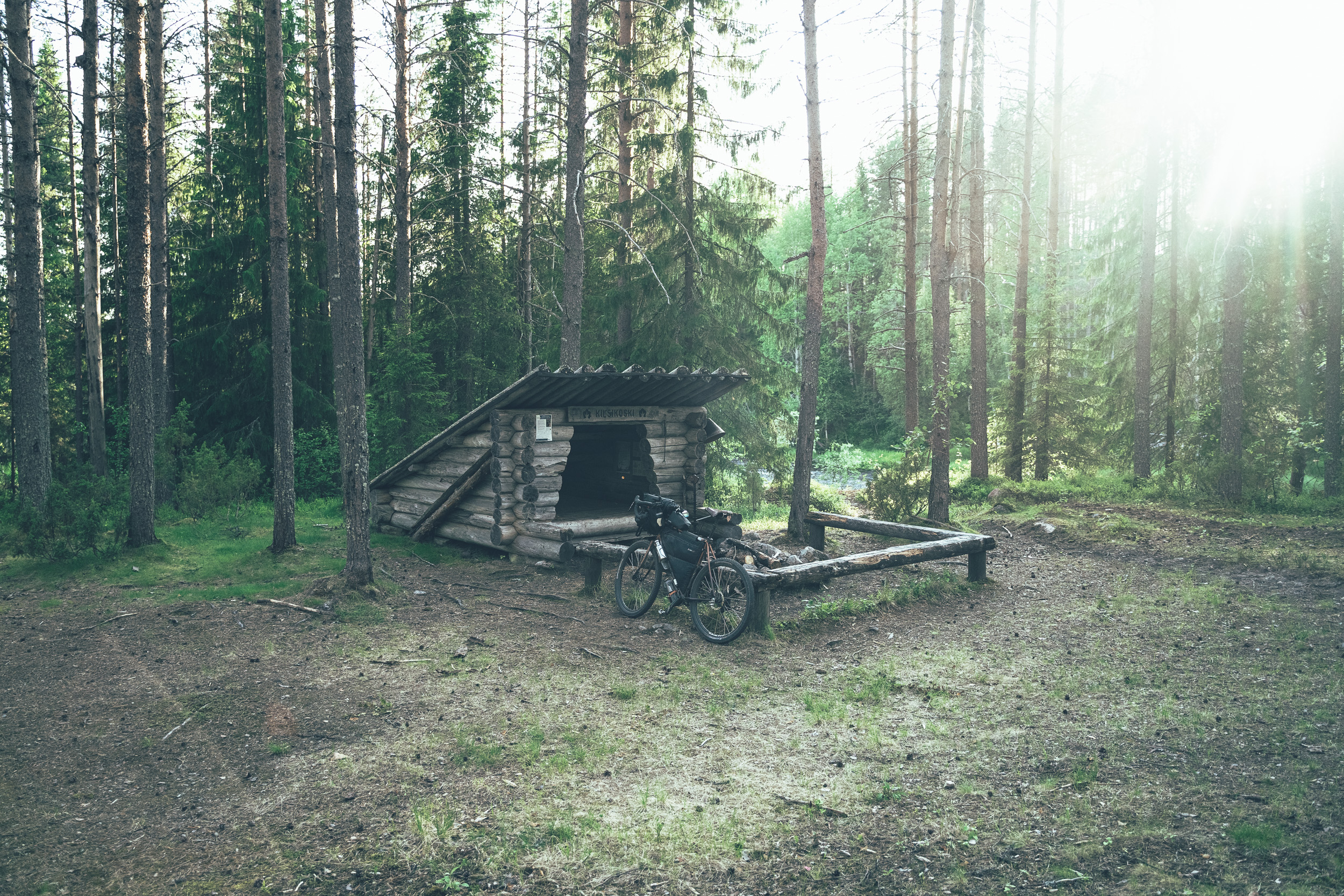
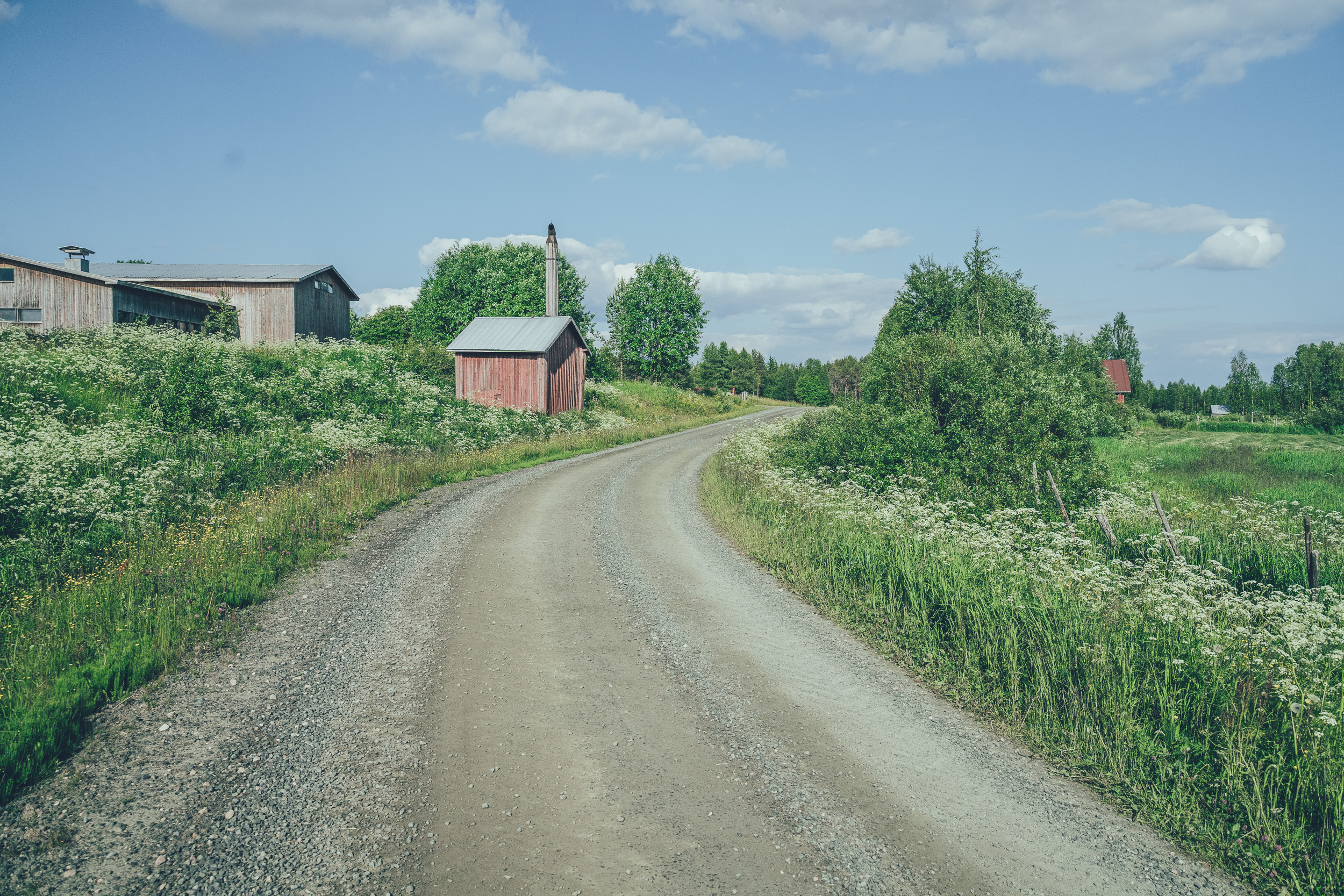
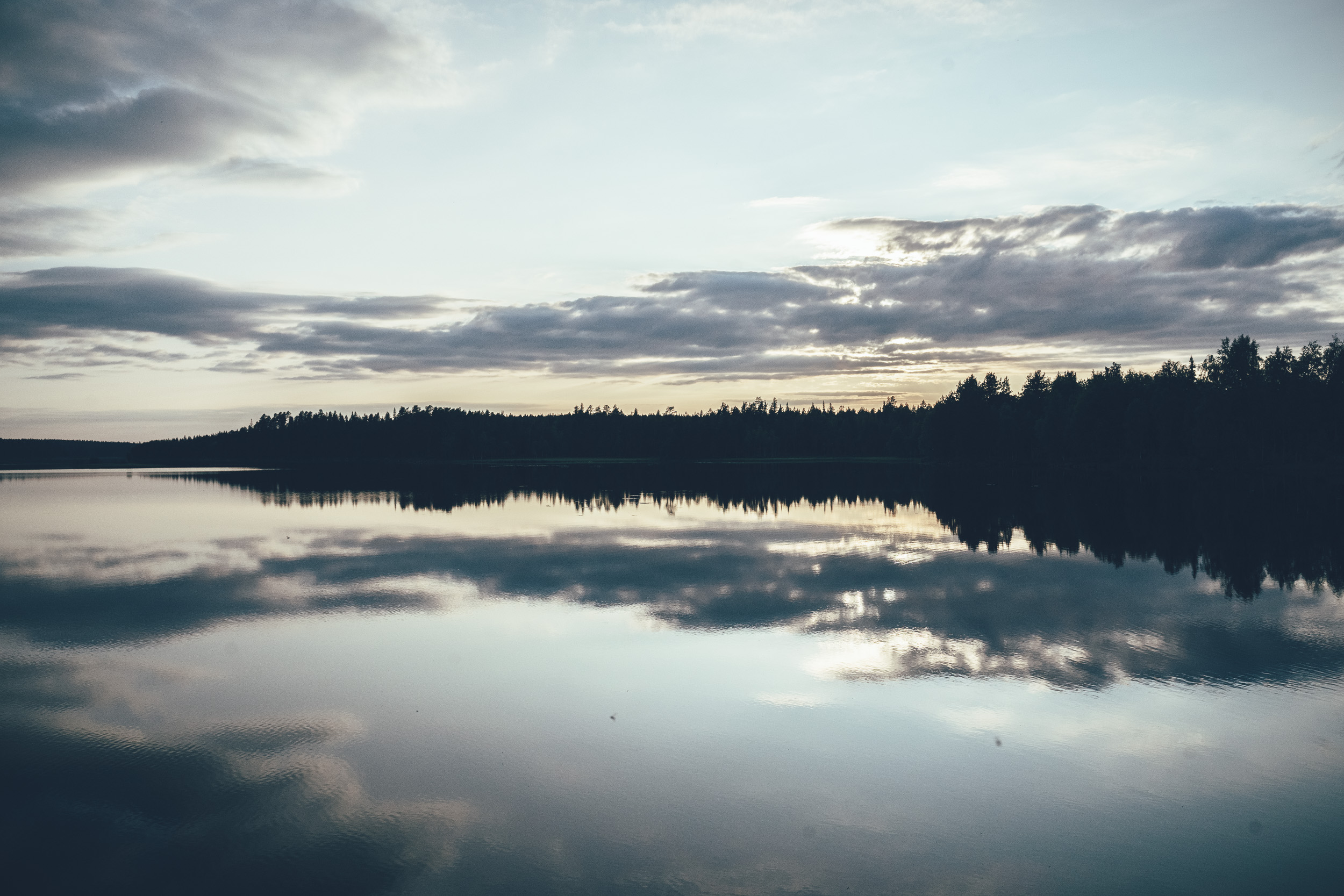
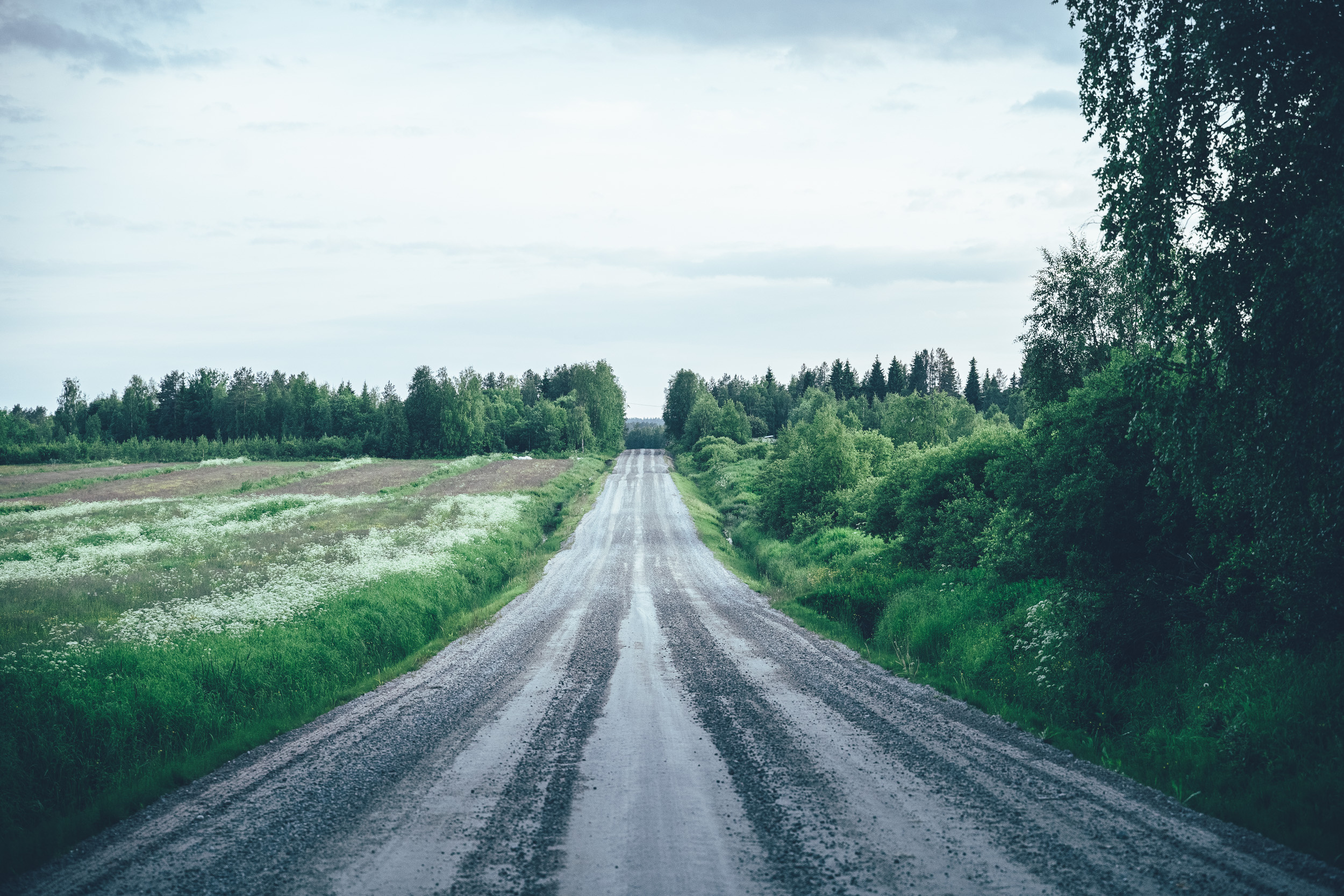
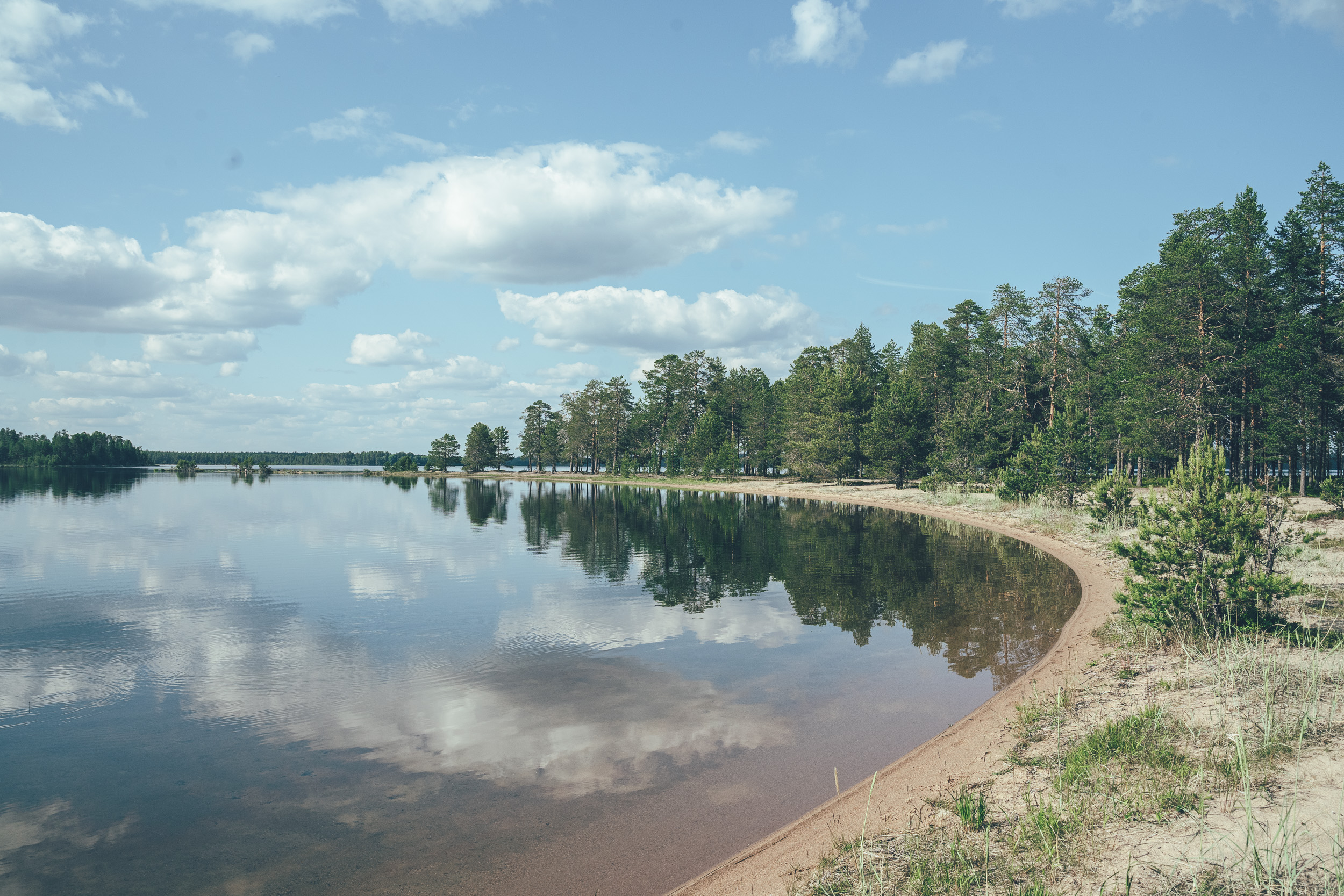
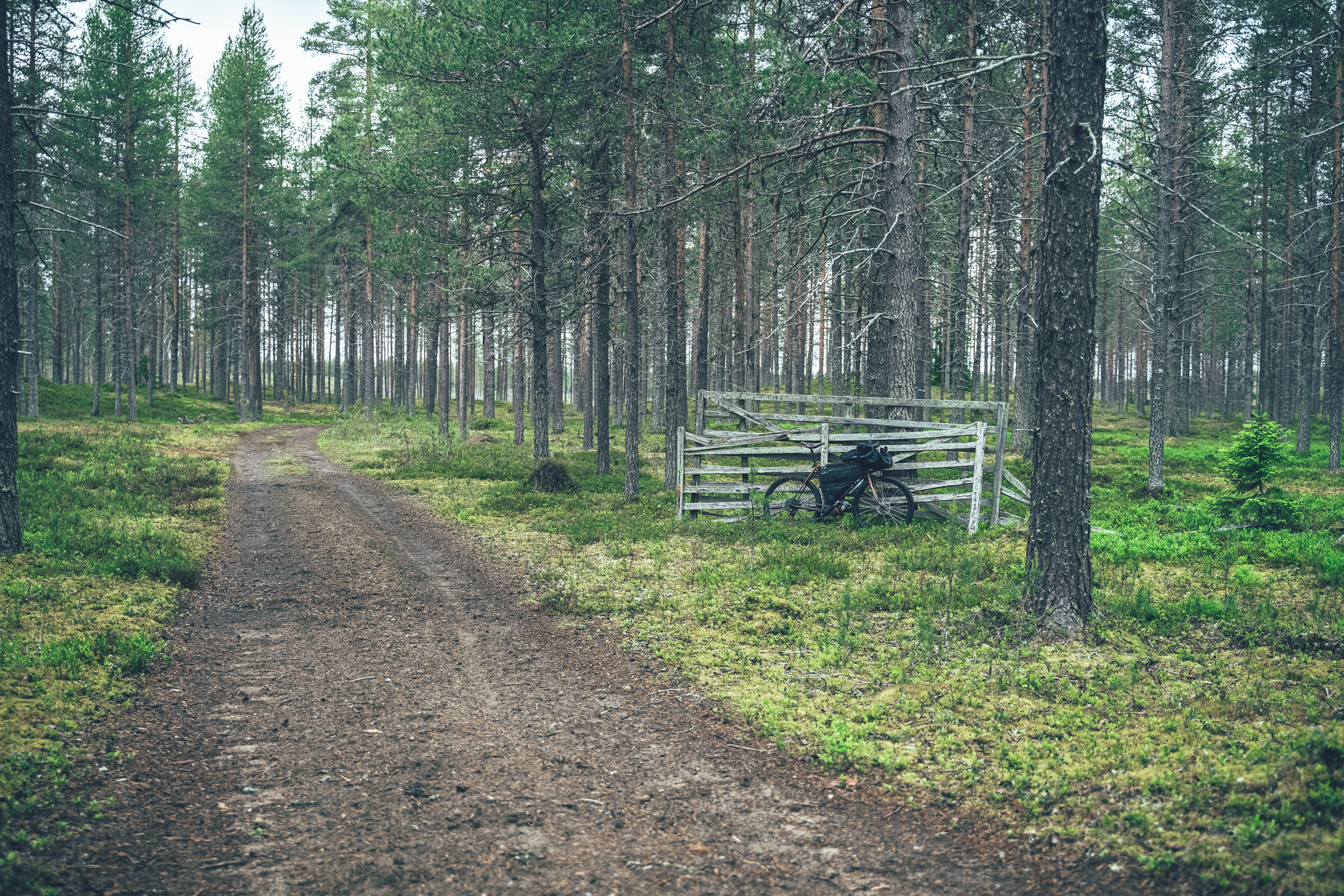
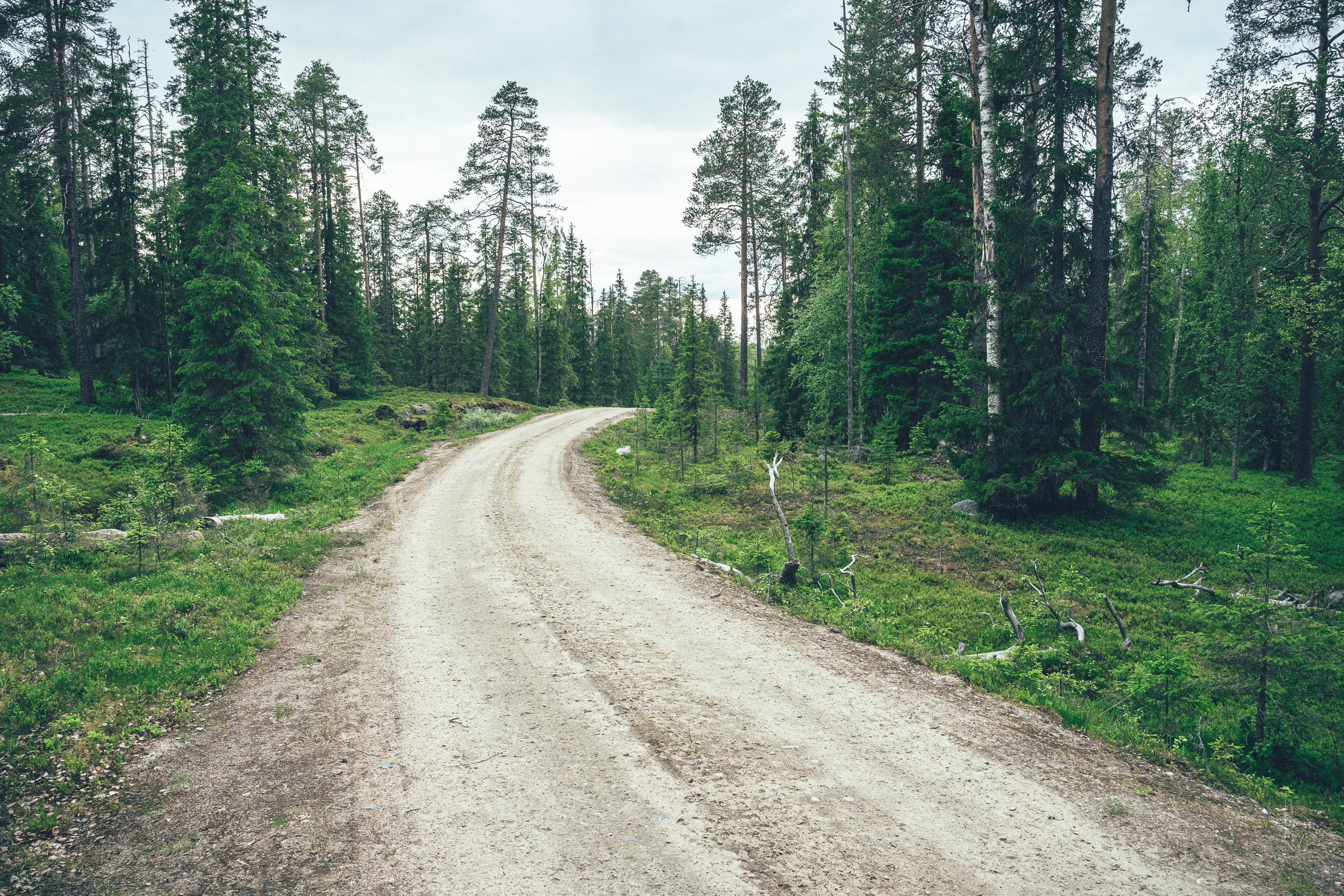
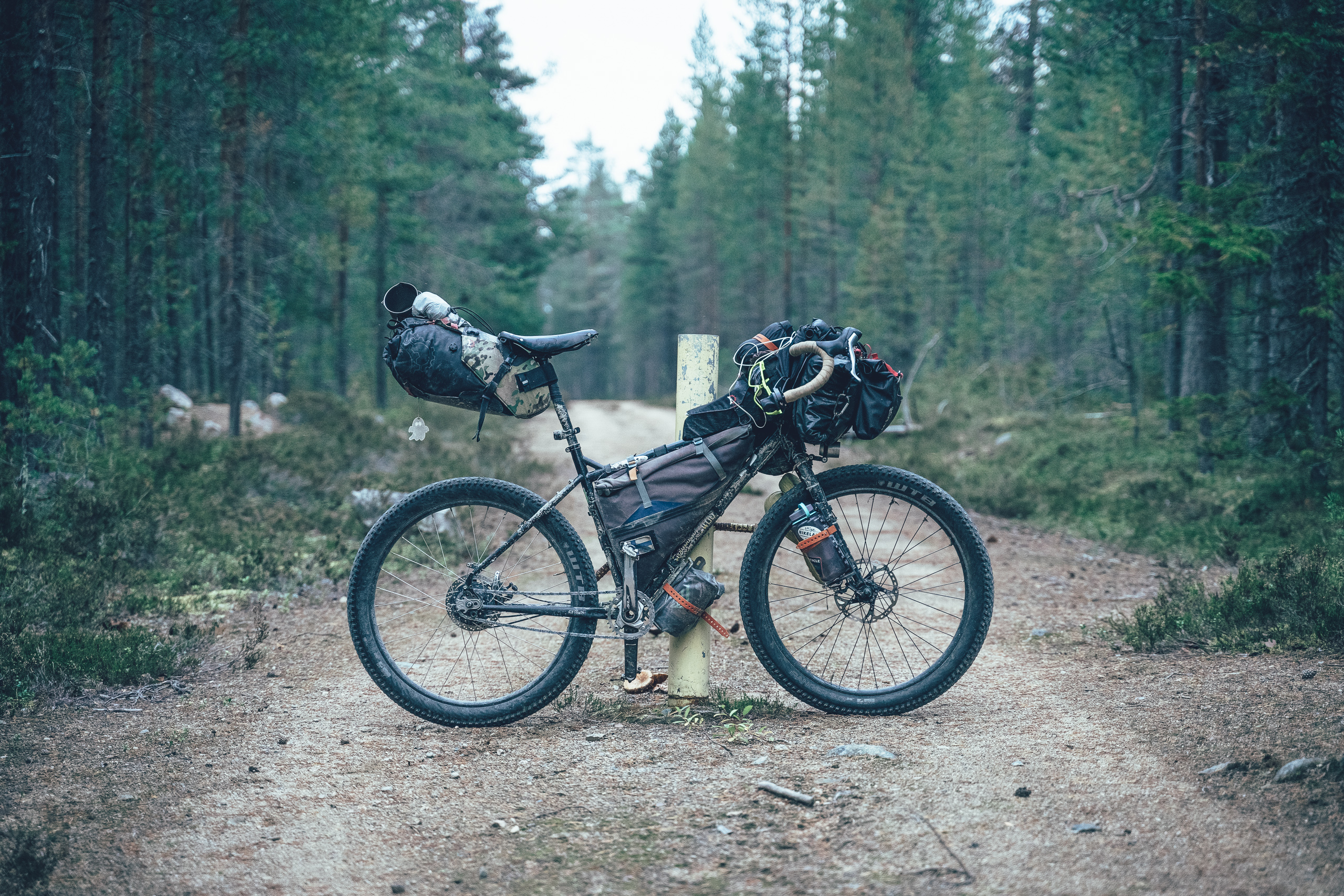
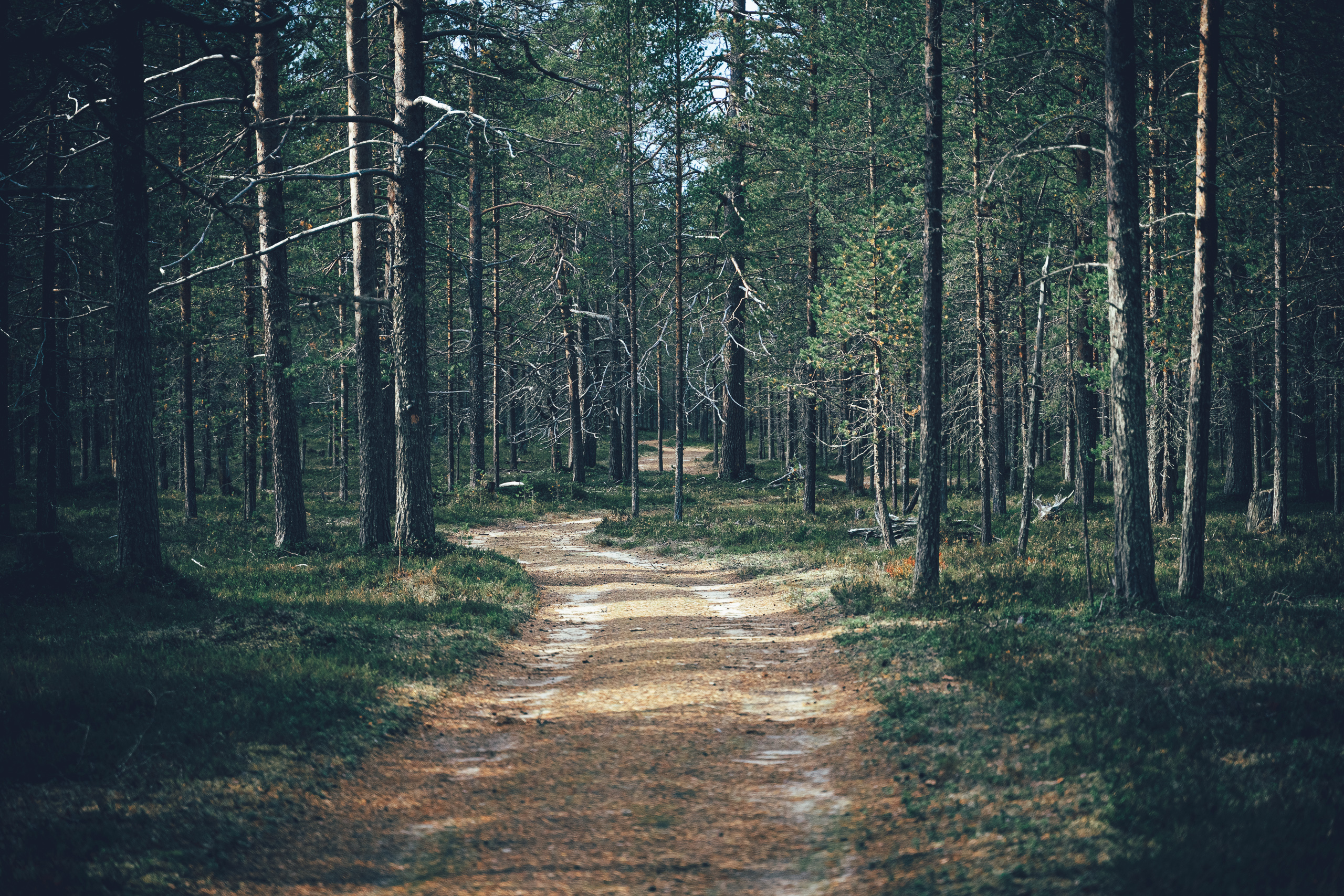
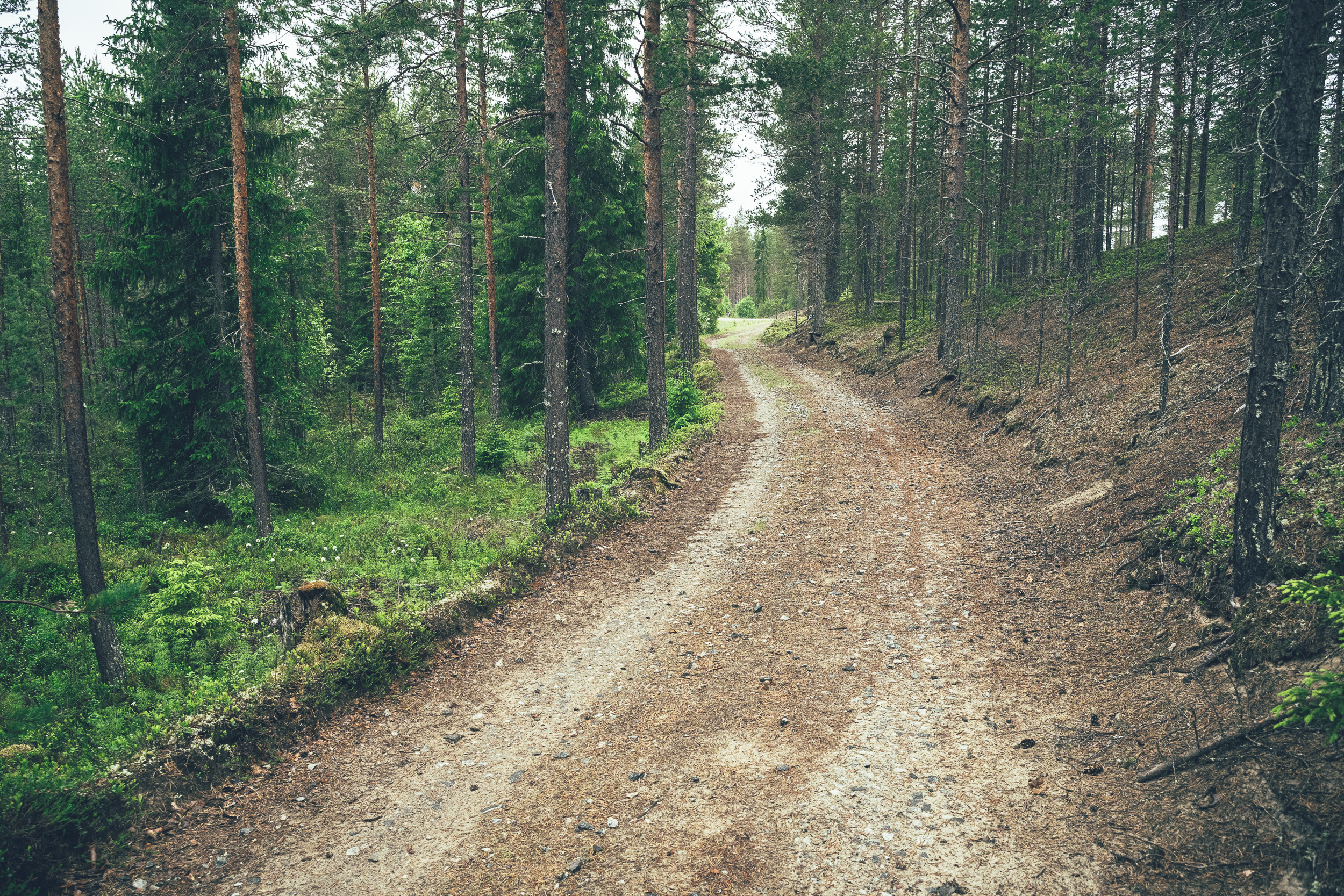
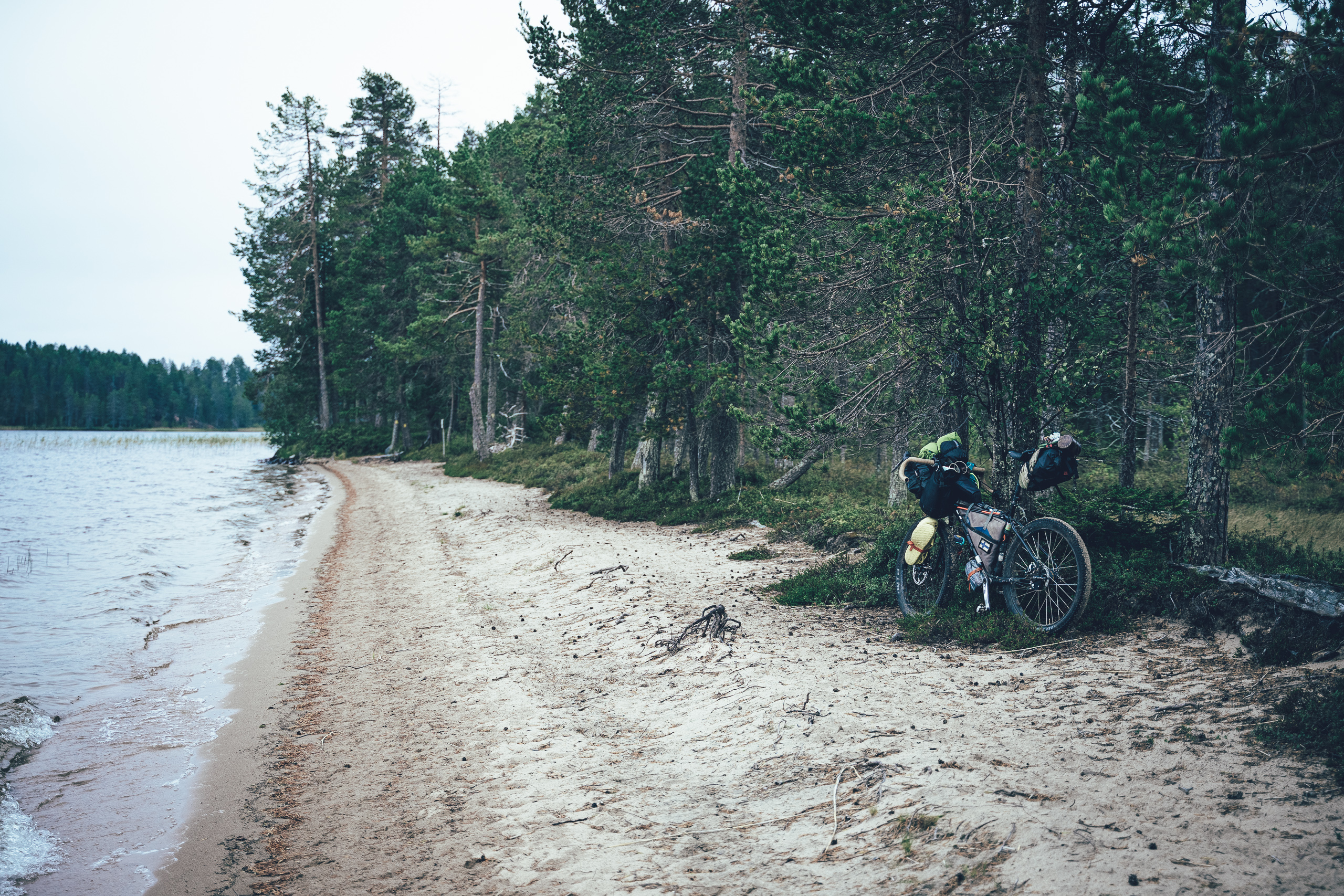
The routes are suitable for any bike that can accommodate tyres of at least 50 mm. Experienced riders may manage with 45 mm tyres, but an ideal tyre width is preferably 50 mm or wider. High-volume tyres add comfort on rough forest roads, snowmobile routes, and occasional single track sections. Wider tyres are particularly beneficial when riding fully loaded.
Bikepacking setups do not need to be ultralight, and racks with panniers are manageable. However, the routes include enough climbing and slower, slightly technical sections that a little more streamlined bikepacking setup improves both progress and comfort. More important than weight though are low enough gears and the aforementioned high-volume tyres.
The gravel riding season at Posio typically begins by early June, once the gravel roads have dried and hardened after the spring thaw. The season usually ends in late September, as autumn rains increase and temperatures drop below freezing. The first snowfall typically arrives in early October, although year-to-year variation has increased in recent years. Having first snow in late September is no unheard of.
Gravel riding as day trips is generally enjoyable even in during the räkkä (high population is the bity type of insects) conditions, but the ideal period for bikepacking is from mid-August through the autumn colours and into late September. During this time, mosquito, blackfly, biting midge, and horsefly populations are at their lowest or already dormant. A local miracle all summer is Himmerki Resort, which is well known for its räkkä-free beaches.
Temperatures in southern Lapland range from occasional night frosts at the beginning and end of the season to periods of summer heat, but overall the climate is cool and well suited for cycling. As a general guideline, average night-time temperatures in mid-summer are around 10°C, with daytime temperatures around 20°C. Night-time temperatures below 5°C are nevertheless entirely possible even in mid-summer.
The easiest way to reach Posio is by taking a day or night train to Rovaniemi and continuing by coach for approximately two hours. Several Helsinki–Rovaniemi train services operate daily, including typically one overnight service. Bicycle spaces on trains can be limited during the holiday season, but due to the number of daily departures, tickets do not always need to be booked far in advance unless planning to travel on the night train.
Only a limited number of bicycles can be carried on the Rovaniemi–Posio coach services, but on most departures it is possible to reserve a bicycle space in advance via Matkahuolto.
As some of the Posio gravel routes require logistical support, a new transport service is planned for summer 2026 to assist cyclists with route logistics and potential evacuations.
Distances between services and rest stops are often long on the Posio routes, which can make family touring challenging. Reaching the next pleasant rest stop or café may take several hours.
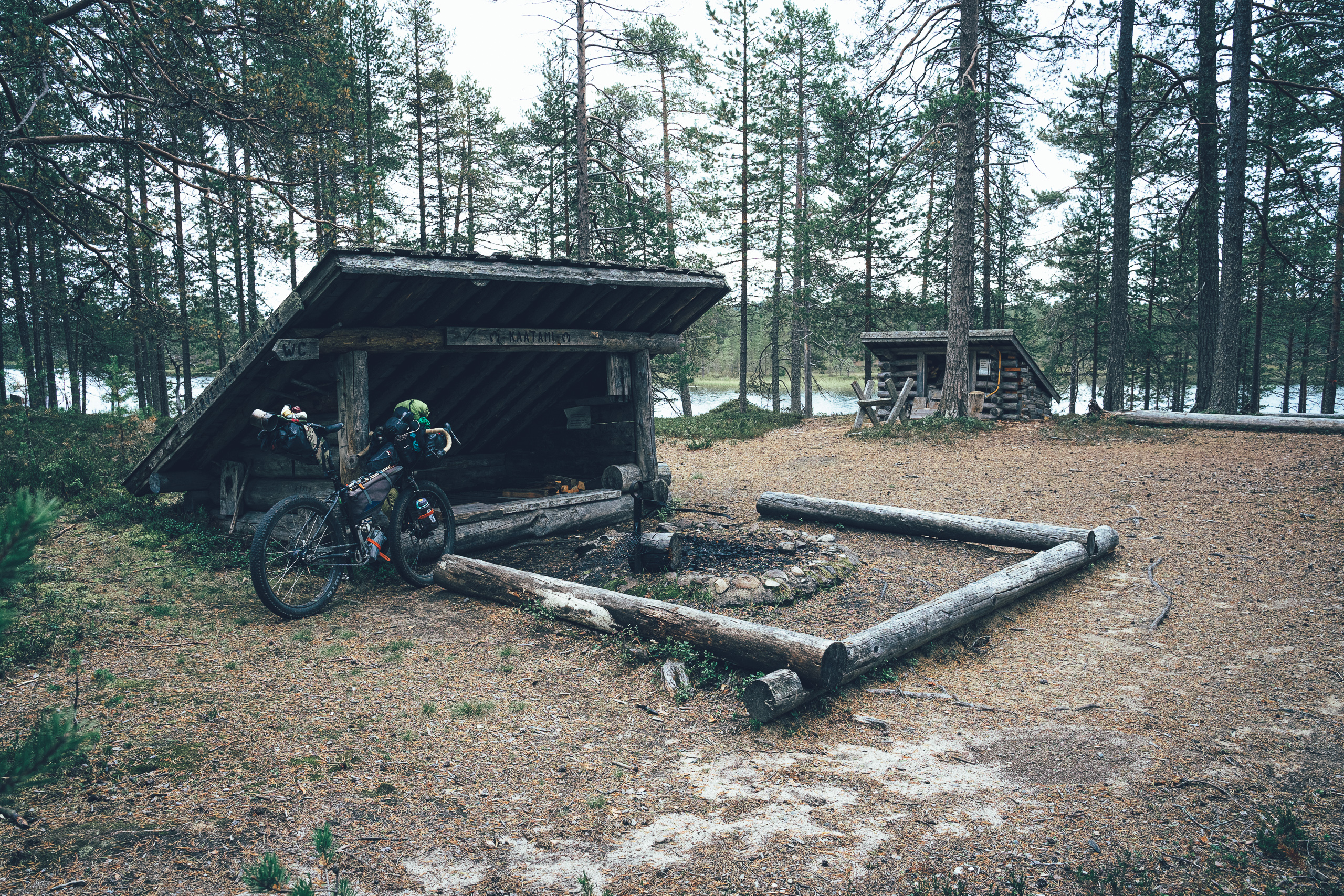
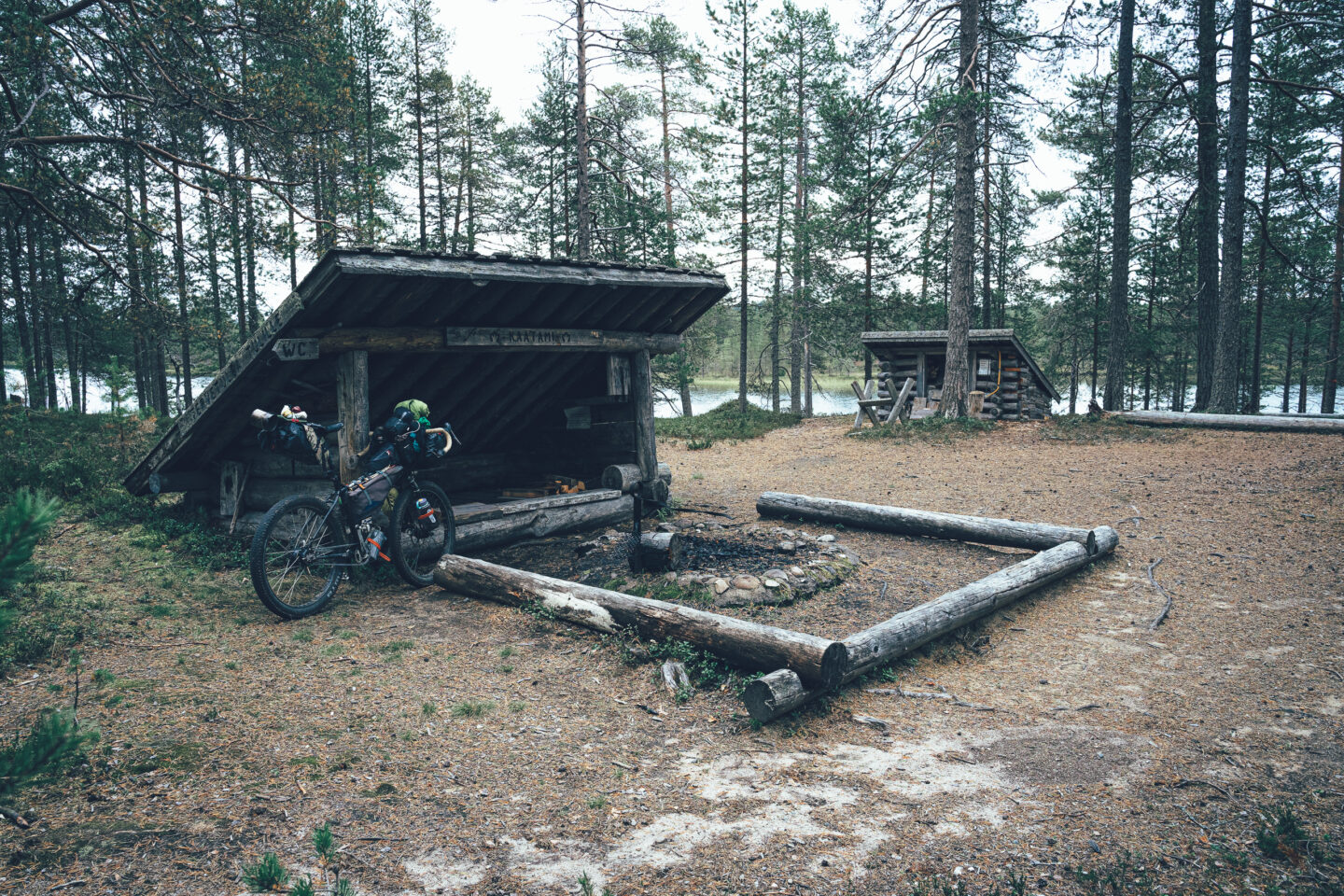
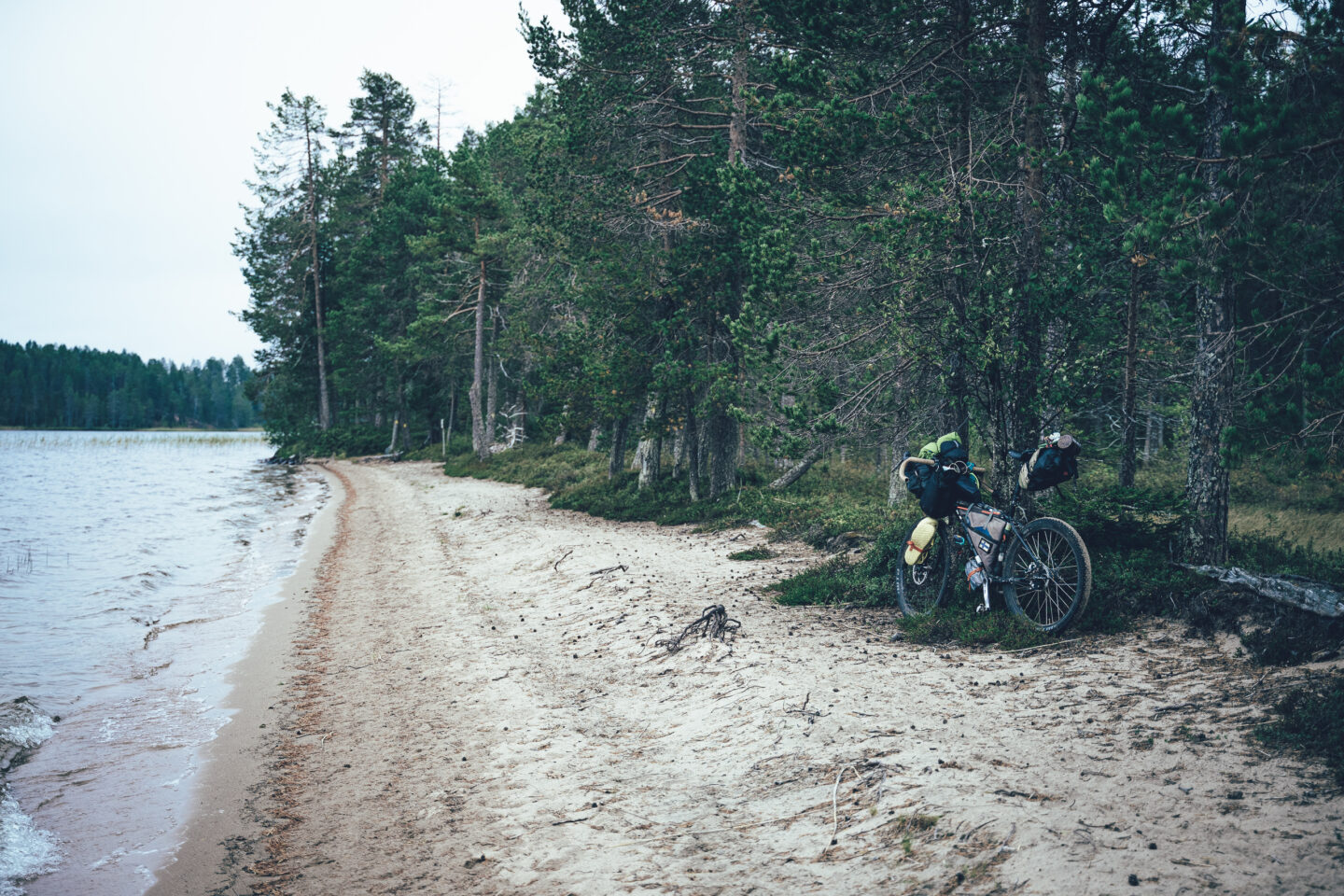
However, the Livojärvi area is a paradise for families and other recreational riders alike, with sandy beaches and multiple camping options. One recommended outing is an overnight stay starting from the Livojärvi café to either the Hirsiniemi beach lean-to or the Kaatami lean-to. This can also be done as a day trip. Another family-friendly destination, even without cycling, is Kellinniemi, where long, shallow sandy beaches provide an excellent playground during warm weather and ample camping space around the lean-to and it’s fire ring.
For three- and four-wheeled cycles, some routes include access barriers while others do not. Please refer to the individual route descriptions for details.
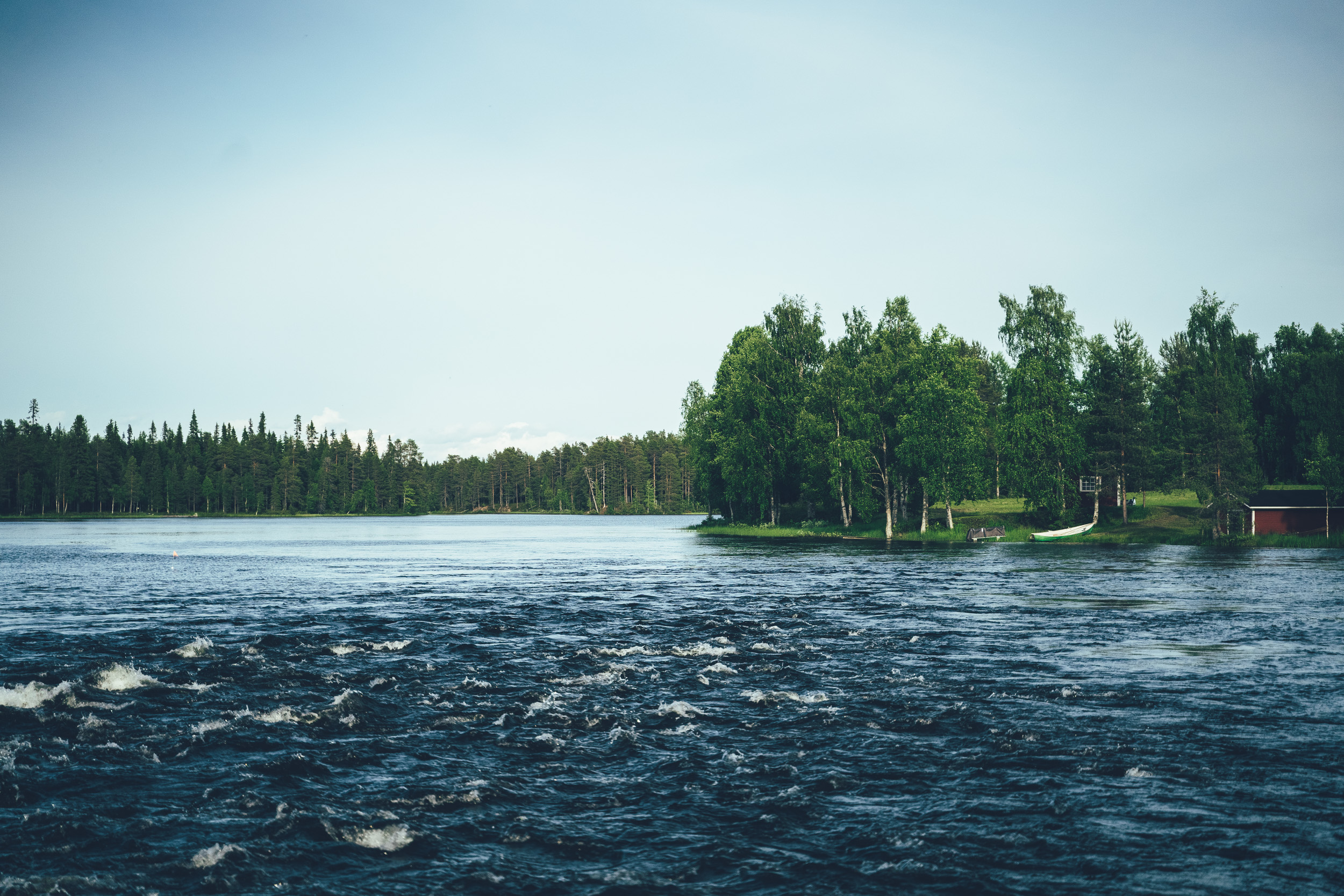
The main challenge for electric-assisted cycling is at Lake Livojärvi, where bicycles must be transported by rowboat across a narrow stretch of water. E-bikes are typically heavy, so riders considering the Hirsiniemi Loop or Lake Kitka Loop should assess whether they can safely load and unload their bike into a standard rowing boat without the risk of immersion.
Beyond this, the main limitations for e-biking are long distances, as only some e-bikes currently offer sufficient range for 100-kilometre stages with assistance enabled. The Posiojärvi Loop is the shortest route in the network at 46 kilometres and is particularly well suited for e-bikes.
For bikepacking routes, the Posio Loop does not offer sufficient charging opportunities for e-bikes. The Kitka Loop, however, can be completed with electric assistance with careful planning and advance booking of accommodation. The longest section without charging opportunities on the Kitka Loop is approximately 130 kilometres between Ruka and Posio, but the Livojärvi Kota Café, located about 75 kilometres from Ruka, offers charging during café opening hours. With proper planning, completing the route with electric assistance is theoretically possible, though only if you can navigate the short rowing boat lake crossing with a heavy e-bike.
 The Posio Gravel & Bikepacking Routes route system has been developed through a combination of regional and international projects.
The core of the network is being delivered as part of Sustainable Arctic and Peripheral Biking Tourism (SUB) 2023–2026, funded through the Interreg Northern Periphery and Arctic (NPA) Programme, granted by the Regional Council of Lapland, and Last Arctic Frontier – Pyörä- ja melontamatkailun kehittäminen Itä-Lapissa 2024–2026, funded through the Just Transition Fund (JTF), granted by the Regional Council of Lapland as well.
The work builds on earlier development actions led by the Municipality of Posio: Posion maastopyöräilyreittien kartoitushanke (2021-2022) and Posion maastopyöräilyreittien suunnitteluhanke (2022-2023), funded by the Rural Development Programme for Mainland Finland 2014–2020**, granted by the Lapland Centre for Economic Development, Transport and the Environment.
In addition, implementation investments are currently underway via Gravelbike Posio – pyöräreittien suunnitelmien toimeenpanohanke (2025-2026). As these investments are completed, parts of the route network will be updated and re-aligned to take full advantage of the improved infrastructure.
